
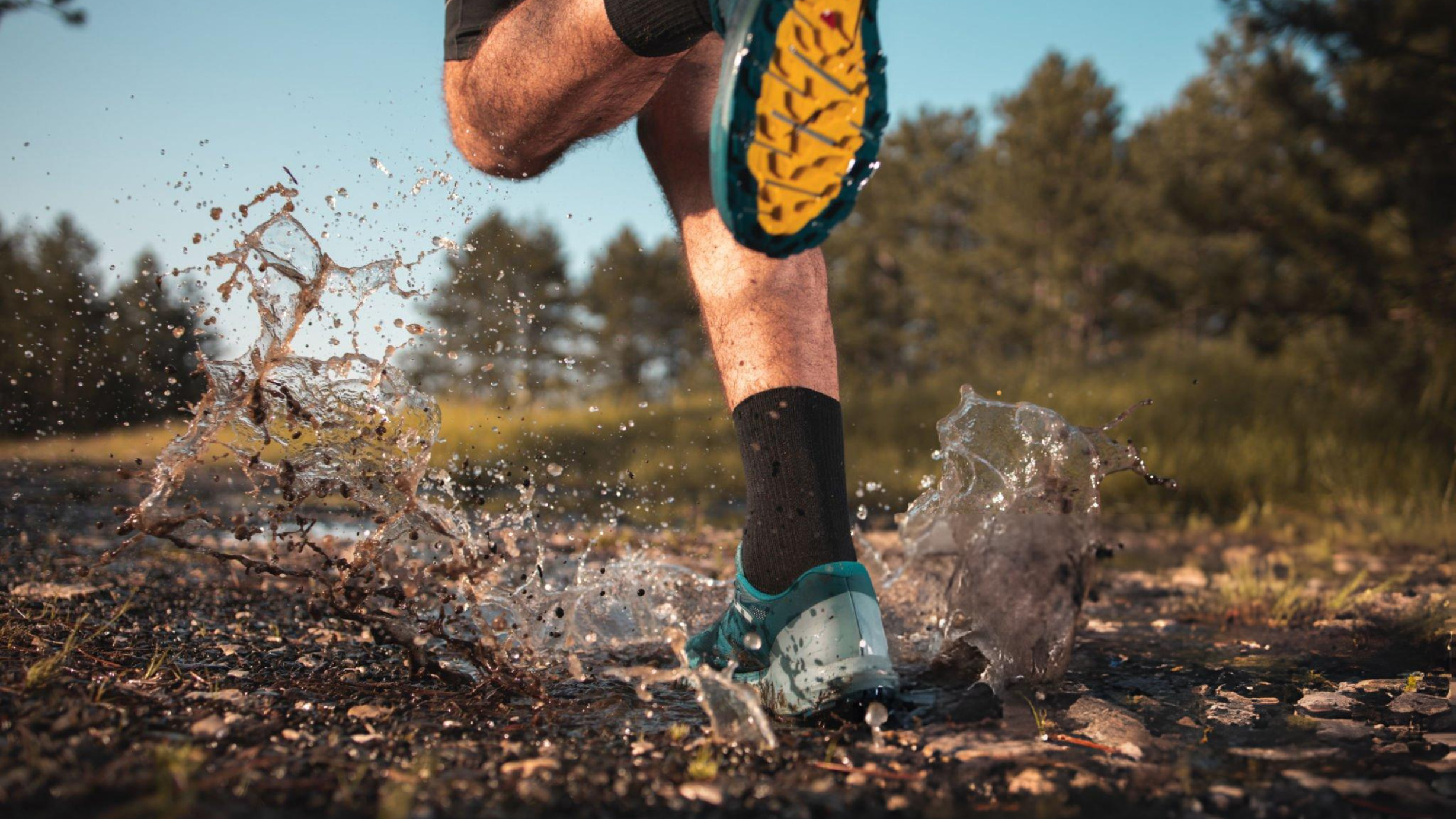
Are you in search of a more down to earth, natural way of running on the rugged surface? Zero drop trail running shoes can just be the answer. These minimalist shoes are designed to improve posture and help a runner strike midfoot and they have gained popularity with trail runners who want to improve their form, balance and efficiency in rough terrain.
The purpose of this guide is to be able to understand what is special about zero drop shoes, what their advantages and disadvantages are, and how to get the right pair of shoes to use when trail running.
What Are Zero Drop Trail Running Shoes?
“Zero drop” refers to the heel-to-toe drop, or the difference in height between the heel and the forefoot in a shoe. Traditional running shoes tend to possess a 8-12mm drop whereby your heel is considerably higher as compared to your toes. In zero drop trail running shoes the heel and the toe are even, which promotes a more natural positioning of the foot.
On trails, this level platform allows your feet to better respond to uneven surfaces and encourages improved proprioception (body awareness), which is key to navigating roots, rocks, and inclines.
Why Trail Runners Are Switching to Zero Drop
- Improved Running Form
Zero drop shoes also make feet strike the ground at the midfoot or forefoot which may decrease the impact on knees and advance more productive stride particularly on long ascents or technical surfaces.
- Enhanced Ground Feel
Trail running is the art of training to the ground beneath your feet. Low profile, zero drop design gives the runners the impression of improved balance, agility, and confidence on even tricky trails.
- Strengthens Feet and Calves
Due to the fact that zero-drop shoes do not depend on additional cushioning and support, your feet and lower legs perform a greater task. In the long run, it may cause the development of more powerful muscles and better foot mechanics, which is excellent in injury prevention, when you switch to it smoothly.
Things to Consider Before Making the Switch
While zero drop trail running shoes offer benefits, they’re not for everyone, especially if you jump in too fast.
- Transition Slowly: Start by alternating between your traditional shoes and your zero drop pair. Give your muscles time to adapt.
- Watch for Calf or Achilles Tightness: You may feel increased strain in the calves or Achilles tendon. This is normal early on but shouldn’t be ignored.
- Consider Stack Height: Not all zero drop shoes are minimalist. Some offer more cushioning while still maintaining a level heel-to-toe profile.
Best Zero Drop Trail Running Shoes in 2025
Here are a few top-rated zero drop options for trail runners of all levels:
- Altra Lone Peak 8
- Widely considered the flagship zero drop trail shoe
- Balanced cushioning with a wide toe box
- Great grip and durability for mixed terrain
- Topo Athletic Terraventure 4
- Zero drop with a firmer ride for better ground feel
- Vibram outsole for excellent traction
- Lightweight yet protective for longer efforts
- Xero Shoes Mesa Trail II
- Minimalist design with extreme flexibility
- Breathable mesh upper and 5.5mm FeelTrue® sole
- Best for seasoned minimalist runners or short technical runs
Who Should Try Zero Drop Trail Running Shoes?
Zero drop trail shoes are best suited for runners who:
- Want a more natural, barefoot-like experience
- Are looking to improve running form or reduce knee impact
- Run shorter to mid-distance trail runs and want better agility
- Have experience with minimalist footwear or are willing to transition gradually
Final Thoughts
Zero drop trail running shoes are a different way to get connected to the trail, to improve your form, to strengthen your lower body. Whether you need to lower your joint impact or just want to run with better balance a zero drop shoe might be the ideal instrument in your trail toolkit.
Remember- start slow, listen to your body and get a shoe that matches your terrain, foot shape and training distance. Over time you may discover that running in zero drop is not only more natural, it will make you a stronger and more efficient trail runner.