
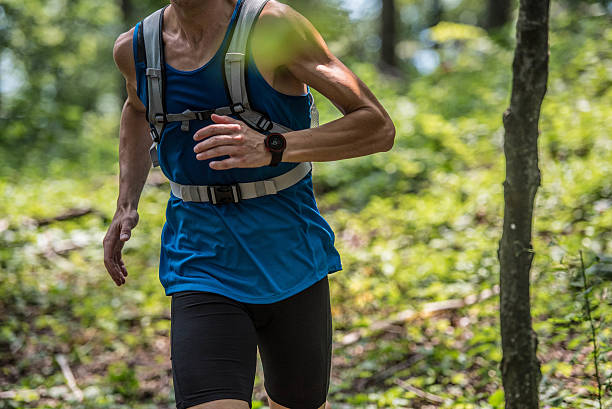
Trail running is one of the most rewarding forms of running; you get fresh air, scenic views, and a workout that challenges both body and mind. But for runners with overpronation, uneven terrain can become a source of discomfort, injury, and frustration. Choosing the right trail running shoes for overpronation isn’t just about comfort; it’s about protecting your joints, improving performance, and making every run enjoyable.
In this guide, we’ll break down what overpronation actually is, why it matters on the trail, and how to pick the best trail running shoes to support your unique gait.
What Is Overpronation?
Overpronation occurs when your foot rolls inward too much as you land during running or walking. While some pronation (natural inward roll) is normal and helps absorb shock, excessive inward roll can cause:
- Strain on the ankles and knees
- Increased risk of injuries like shin splints or plantar fasciitis
- Uneven wear on your running shoes
On roads, many runners already know they need stability or motion-control shoes. But trails add rocks, roots, and uneven slopes, making the right support even more crucial.
Why Overpronators Need Special Trail Shoes
Most trail running shoes are designed with grip and protection in mind. However, for overpronators, basic trail shoes may not provide sufficient midfoot stability or arch support. Without proper support, every downhill step and uneven surface can magnify stress on your joints.
The right shoe will do two key things:
- Control inward rolling motion (pronation)
- Provide traction and protection on technical terrain
Features to Look for in Trail Running Shoes for Overpronation
When shopping for trail running shoes, keep an eye out for these essential features:
1. Medial Support or Stability Technology
This is the most important part for overpronators. Look for shoes with:
- Built-in arch support
- Medial posts or firmer foam on the inside part of the midsole
- Dual-density cushioning to help manage inward roll
These features help guide your foot through a smoother landing and reduce excessive pronation.
2. Rock Plates and Protection
Trails are unpredictable. A rock plate, a thin insert between the outsole and midsole, can protect your feet from sharp rocks and uneven roots, increasing comfort and confidence.
3. Durable Traction (Lug Pattern)
Deep, multi-directional lugs help maintain grip on mud, loose dirt, and wet rocks. This keeps your footing secure, especially when your gait is already compromised by pronation.
4. Adequate Cushioning
Comfortable cushioning helps absorb impact, protecting your knees and hips. But balance is key, too soft can feel unstable; too firm can feel harsh. Look for responsive foam that supports without bottoming out.
5. Secure Fit
A snug heel and midfoot lockdown prevent slipping inside the shoe, which can worsen pronation issues. Consider shoes with good lacing systems or gusseted tongues to lock your foot in place.
How to Test Trail Running Shoes for Overpronation
When trying on potential shoes, keep these tips in mind:
- Walk and jog in them – don’t just stand
- Check for arch support – it should feel natural, not forced
- Try them on the trail – many stores will let you test them outdoors
- Feel for stability – your foot shouldn’t feel like it’s rolling inward
When to Replace Your Trail Running Shoes
Even the best shoes wear out. Replace them when:
- The sole tread is significantly worn
- You notice your knees or shins hurt after running
- Cushioning feels flat or unresponsive
For most trail runners, this happens every 300–500 miles, depending on terrain and frequency of runs.
Final Thoughts
Finding the right trail running shoes for overpronation can transform your experience on the trail. Instead of battling discomfort and instability, the right pair supports you, protects your joints, and lets you focus on what matters most: enjoying the climb, conquering technical terrain, and pushing your limits.
Remember: every runner is different. What works for someone else might not be the perfect fit for you. Use this guide to understand what features will help you the most, and take time to test shoes before you commit.