
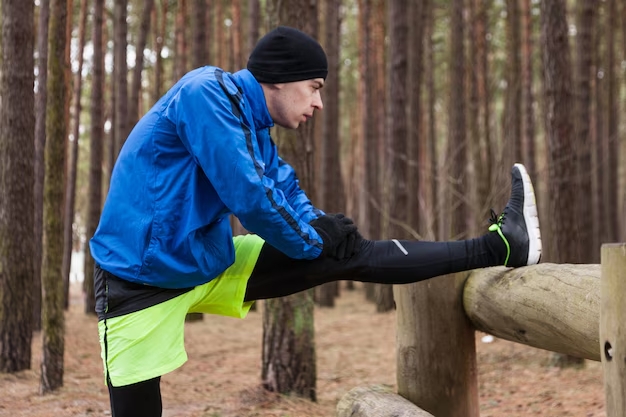
There’s something raw and grounding about trail running; the sound of gravel underfoot, air thinning at the climb, the kind of silence that exists only between trees. But here’s the truth most runners learn quickly: grit isn’t enough. The right equipment can turn a tough run into a rhythm, a long trail into a kind of freedom.
Trail running isn’t about style; it’s about function that holds up when the terrain doesn’t. Below is a breakdown of the gear that actually matters, the stuff that keeps you safe, light, and moving steady when the road ends and the trail begins.
Why the Right Gear Makes the Difference
Trail running asks more from your body and your equipment than pavement ever will. Loose rocks, unexpected rain, roots that appear out of nowhere… This is where comfort and safety depend entirely on what you’re wearing and carrying.
Good trail gear helps your muscles recover faster, your hydration stays consistent, and your mind stays focused. When every ounce of energy counts, the wrong pack or shoes can become your biggest distraction. The right ones? They disappear, letting you just run.
Essential Trail Running Equipment
1. Trail Running Shoes
If you buy one thing with intention, let it be your shoes. Trail shoes are built with grippy outsoles, reinforced toes, and midsoles that keep your feet stable on uneven ground. The traction lugs are designed to bite into dirt and rock so you don’t have to think twice about your footing.
Lightweight doesn’t always mean better, here a solid shoe that protects from debris often saves you from rolled ankles or bruised toes. Check out well-reviewed options from brands like Brooks or Salomon that balance comfort with durability.
2. Hydration Vest or Pack
You can’t rely on finding water mid-trail, especially on longer runs. A hydration vest fits close to your body, carries soft flasks or a bladder, and keeps essentials like gels or keys from bouncing around.
If you’re new to trail hydration setups, the American Trail Running Association breaks down practical ways to stay fueled without overpacking. The goal is simple: drink before you feel thirsty.
3. Technical Clothing
Forget cotton. Go for moisture-wicking fabrics that dry fast and prevent chafing. In summer, half tights or lightweight shorts are ideal. For cooler runs, layer with a breathable windbreaker that fits snug without trapping heat.
Trail apparel should move like skin, you shouldn’t notice it. If you do, it’s not right for you.
4. Poles for Steep or Technical Routes
Trail running poles can feel unnecessary until you’re on mile 10 of a steep climb. They give your legs a break and keep your rhythm steady, especially on descents. Choose collapsible carbon poles if you want something light enough to stash when not needed.
5. Headlamp
Evening runs or early starts demand a reliable headlamp. It’s not just about visibility,it’s about safety. A steady beam helps you read terrain before it surprises you. Pick one with adjustable brightness and a secure strap that won’t slip when you sweat.
6. Safety and Navigation Gear
Even seasoned trail runners carry a few basics: a mini first-aid kit, emergency foil blanket, and GPS-enabled watch or offline map. Losing signal happens more than you think. And while it’s rare to need them, these tools give peace of mind — and sometimes, that’s what keeps you calm enough to make good decisions.
How to Choose the Right Gear
Choosing trail gear isn’t about buying the most expensive options — it’s about matching your needs with your routes.
- Terrain: Rocky climbs and mud need grip; smoother trails allow lighter shoes.
- Distance: For longer runs, prioritize storage and hydration capacity.
- Weather: Hot trails call for breathable mesh; wet or cold ones need weatherproof layers.
- Fit: Comfort always wins. Gear should move with you, never against you.
If you want a neutral overview of gear testing and maintenance, REI’s Expert Advice offers practical insight without pushing a specific brand.
Tips to Get the Most Out of Your Equipment
- Break in new shoes on short runs, never race-day.
- Rinse mud and grit after each trail to extend gear life.
- Keep your vest straps snug to prevent bounce on descents.
- Alternate shoes if you run multiple times a week, they last longer and keep your stride fresh.
- Don’t overload yourself; essentials only. Every ounce matters when fatigue hits.
Final Thoughts
Trail running gear isn’t about looking professional, it’s about survival, comfort, and flow. When your shoes, pack, and clothes all feel like part of you, that’s when you know you’ve found the right setup.
Each trail is unpredictable, that’s part of the beauty. But your equipment doesn’t have to be. Choose gear that holds steady no matter what the path throws your way, and you’ll discover what most runners eventually do: the best runs happen when you stop thinking about your gear and just run.