
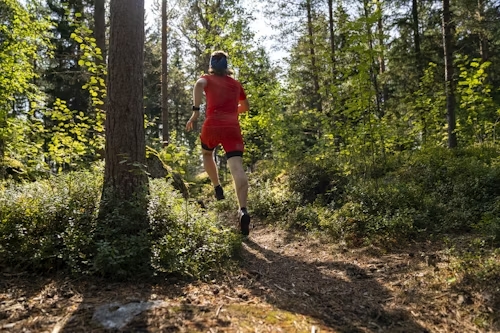
For trail runners who venture into mountain environments, altitude introduces a completely new challenge. The scenery may be breathtaking, but the thinner air means your body must work harder to deliver oxygen to muscles. Even well-trained runners often feel the difference immediately: shorter breaths, faster fatigue, and slower climbing speeds.
This is why high-altitude acclimatization protocols are essential for runners preparing for mountain races, alpine adventures, or training camps above sea level. Proper acclimatization allows your body to gradually adjust to reduced oxygen levels, helping you perform better and stay safe in high-elevation environments.
Understanding how altitude affects the body and how to adapt to it can make a major difference in your trail running experience.
Why Altitude Affects Running Performance
As elevation increases, the amount of oxygen available in the air decreases. While the percentage of oxygen remains the same, the atmospheric pressure drops, meaning fewer oxygen molecules are delivered with each breath.
For runners, this leads to several noticeable effects:
- Increased breathing rate
- Higher heart rate during exercise
- Faster fatigue during climbs
- Reduced pace at the same effort level
Even experienced athletes can see performance decline at elevations above 1,500–2,000 meters (5,000–6,500 feet). Without proper acclimatization, running at altitude can feel significantly harder than running at sea level.
What Is Acclimatization?
Acclimatization is the process by which the body adapts to lower oxygen availability. Over time, physiological changes occur that improve oxygen delivery and endurance.
These adaptations may include:
- Increased red blood cell production
- Improved oxygen transport efficiency
- Enhanced breathing response
- Better muscle oxygen utilization
However, these changes take time. Rushing into intense training at altitude without allowing your body to adjust can lead to poor performance and increased risk of altitude sickness.
A Basic High-Altitude Acclimatization Protocol
While every athlete adapts differently, most successful acclimatization plans follow a gradual progression.
Step 1: Ascend Gradually
If possible, increase elevation slowly over several days. A common recommendation is to limit daily sleeping elevation gains to about 300–500 meters (1,000–1,600 feet) once above 2,500 meters.
Step 2: Allow Adjustment Days
After significant elevation gains, take an easier day to allow your body to adapt before increasing training intensity.
Step 3: Start With Easy Runs
During the first few days at altitude, focus on relaxed runs or hikes rather than hard workouts.
Step 4: Hydrate Consistently
Altitude can increase fluid loss through breathing and dry air, making hydration especially important.
Step 5: Gradually Increase Effort
Once your body begins adapting, you can slowly introduce moderate workouts while monitoring how you feel.
This patient approach allows your body to develop altitude tolerance without overwhelming it.
Signs Your Body Is Adjusting Well
When acclimatization progresses successfully, runners often notice:
- Breathing becomes more comfortable during easy runs
- Heart rate stabilizes at familiar effort levels
- Recovery between climbs improves
- Sleep quality remains consistent
These signals suggest your body is adapting to the environment.
Warning Signs of Altitude Stress
Not everyone adjusts quickly to higher elevations. Runners should watch for symptoms such as:
- Persistent headaches
- Dizziness or nausea
- Extreme fatigue
- Poor sleep
- Loss of appetite
These may indicate altitude sickness. If symptoms worsen, descending to a lower elevation is often the safest solution.
Training Strategies for High-Altitude Races
Runners preparing for mountain races often use specific strategies to improve altitude readiness.
Arrive Early
Some athletes arrive several days or even weeks before the event to acclimatize.
Arrive Just Before the Race
Others arrive shortly before race day to minimize exposure to altitude fatigue.
Train at Moderate Altitude
Regular training at moderate elevations can help the body develop familiarity with thinner air.
Emphasize Aerobic Efficiency
Strong aerobic conditioning helps compensate for reduced oxygen availability.
Each strategy has advantages, and runners often experiment to find what works best for their bodies.
Nutrition and Hydration at Altitude
Altitude affects metabolism and hydration needs.
Runners should prioritize:
- Adequate carbohydrates for energy
- Increased fluid intake
- Electrolyte balance
- Iron-rich foods that support red blood cell production
These factors support the physiological adaptations required for endurance performance at elevation.
FAQs
1. How long does it take to acclimatize to high altitude?
Initial acclimatization usually takes two to five days, though full adaptation can take several weeks depending on elevation. The higher the altitude, the longer the body may need to adjust. Gradual exposure and moderate training intensity during the early days help speed the process and reduce symptoms.
2. Can you train normally at altitude right away?
It’s best to reduce intensity during the first few days at altitude. Jumping directly into hard workouts can place excessive stress on the body. Starting with easy runs or hikes allows your system to adjust before gradually reintroducing higher intensity training.
Final Thoughts
Running at altitude presents both challenges and opportunities. While the thinner air makes each step more demanding, it also pushes the body to develop greater endurance and resilience. With a thoughtful acclimatization protocol, trail runners can safely adapt to high elevations and perform confidently in mountainous environments.
Patience is the key. By respecting the adaptation process and listening to your body, you can turn high-altitude terrain into one of the most rewarding and memorable settings for trail running.ork better with your feet, allowing you to focus on the trail ahead rather than the discomfort inside your shoes.