
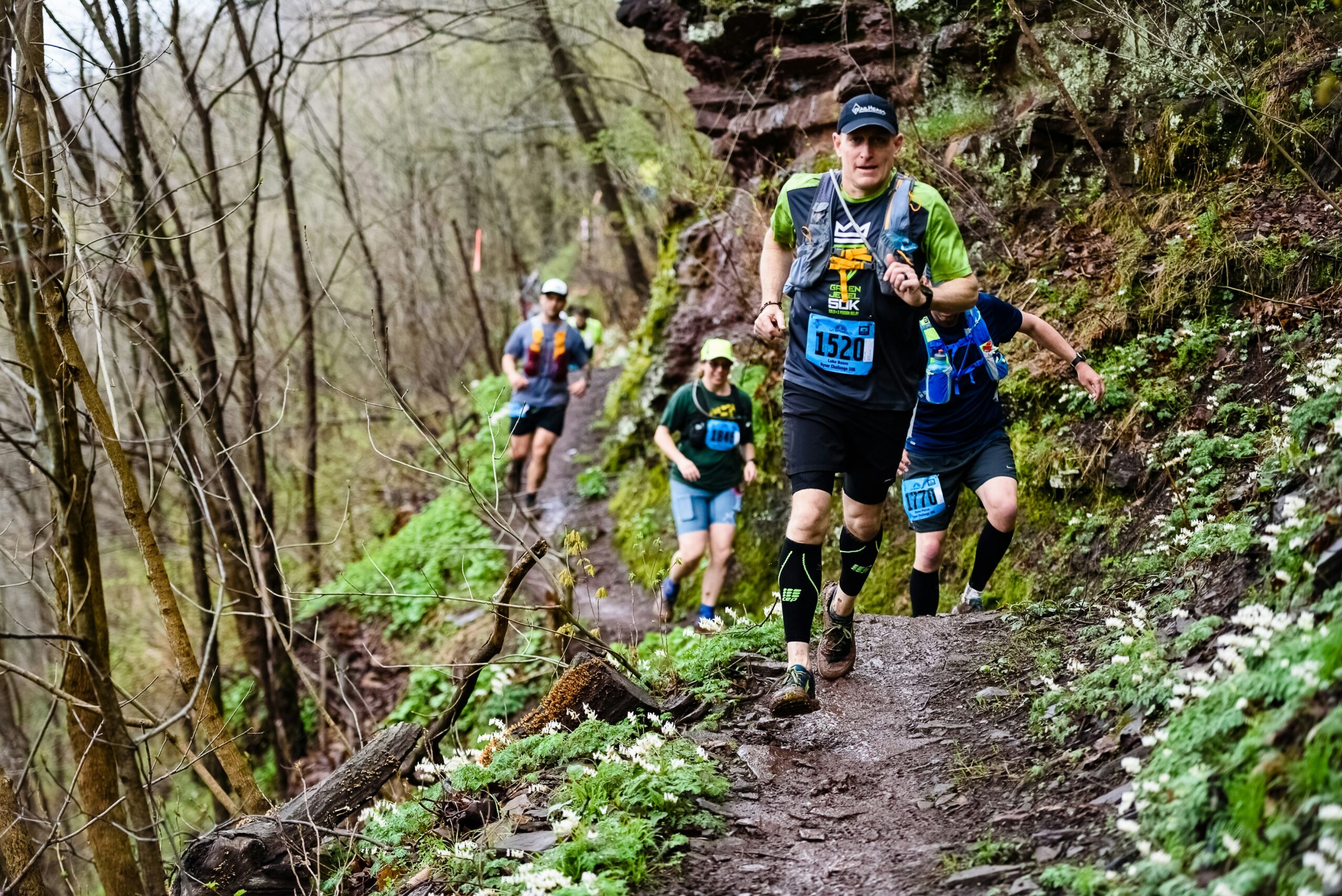
Ask any seasoned trail runner what separates a strong race from a suffering one, and they’ll tell you this: efficiency beats speed on the climbs. And the most efficient climbers aren’t always the fastest runners; they’re the runners who know when and how to switch into power hiking.
Power hiking isn’t a backup plan or a sign you’re slowing down. It’s a strategic technique designed to help you conserve energy, stay controlled, and keep climbing with purpose. When used correctly, power hiking not only saves your legs, but it can also get you to the top faster than stubbornly running every incline.
This guide breaks down the biomechanics, timing, and practical steps behind power hiking efficiency so you can climb smarter, stronger, and with far less fatigue.
Why Power Hiking Matters More Than You Think
Trail running isn’t road running. Steep grades, loose terrain, long ascents, and technical footing demand a different kind of approach. Running every climb spikes your heart rate and burns through energy far faster than you realize.
Power hiking allows you to:
- Reduce your effort while maintaining upward momentum
- Engage different muscle groups (especially glutes)
- Preserve your quads and lungs for later sections
- Maintain a better footing on unstable ground
The goal isn’t to choose hiking instead of running. The goal is to know exactly when hiking becomes the more efficient choice.
The Mechanics Behind Efficient Power Hiking
Good power hiking isn’t just “walking uphill faster.” It’s a deliberate combination of pacing, posture, and muscular engagement.
1. Short, Quick Steps
Long steps waste energy. Shorter steps:
- Increase cadence
- Reduce strain on hip flexors
- Improve balance on uneven terrain
Think “smooth and steady,” not “long and strong.”
2. Forward Lean From the Ankles
Many runners lean forward from the waist and collapse their chest.
Instead:
- Lean subtly from the ankles
- Keep your spine long
- Keep your chest open for easier breathing
This posture helps maintain traction and balance.
3. Active Arm Drive
Your arms are powerful climbing tools. Pumping them purposefully:
- Creates rhythm
- Increases upward drive
- Helps you stay balanced
If you use poles, this becomes even more effective.
4. Midfoot Pressure for Traction
Avoid heel-heavy steps.
Pressing through the midfoot gives you:
- Better grip
- More stable contact
- More controlled power in each step
On dusty or loose terrain, this can prevent unnecessary slips.
When Should You Switch From Running to Power Hiking?
Elite and experienced trail runners don’t wait until they’re exhausted; they switch early to stay efficient.
You should transition to power hiking when:
- Your heart rate jumps too quickly
- Running becomes only slightly faster than hiking
- Your stride shortens into a “shuffle run.”
- The incline is steep enough to break your running form
- You feel your calves or quads overworking
A smooth, strategic switch saves energy for technical sections, descents, and late-race efforts.
How to Train for Power Hiking Efficiency
You can improve dramatically by training the skill, not just using it on race day.
1. Hill Repeats in Hiking Mode
Use short, steep hills.
Hike with intention: strong arms, quick steps, tall posture.
2. Stair Climbing
A great substitute when you don’t have hills nearby.
Focus on:
- Rhythm
- Glute engagement
- Controlled breathing
3. Loaded Carries
Carrying light weight (like a backpack or dumbbells) builds climbing-specific muscular endurance.
4. Strength Training
Key exercises:
- Step-ups
- Weighted lunges
- Glute bridges
- Calf raises
- Deadlifts
Your hips and glutes are your engine; train them well.
FAQs
1. How can I tell if I’m power hiking efficiently during a race or long run?
Efficient power hiking feels controlled but strong. Your breathing should remain steady, not strained. You should feel your glutes doing most of the work rather than your quads burning out. If you’re maintaining momentum without spikes in effort, and the pace difference between hiking and running is minimal, that’s a sign your technique is working. Efficiency is about rhythm, posture, and sustainable effort.
2. Is power hiking only useful for steep mountain races, or should all trail runners practice it?
All trail runners benefit from power hiking, not just mountain athletes. Even rolling trails have sections where hiking becomes the smarter choice for conserving energy. Practicing power hiking builds leg strength, improves climbing mechanics, and reduces fatigue over long distances. Whether you’re doing ultras, moderate trails, or local routes with short hills, efficient hiking will improve your overall performance.
Final Thoughts
Power hiking isn’t about slowing down; it’s about moving intelligently.
When you master power hiking efficiency, climbs stop feeling like obstacles and start becoming opportunities. Your breathing steadies. Your legs stay fresher. Your mind stays calm. And suddenly, steep terrain doesn’t intimidate you; it empowers you.
Train it, trust it, and watch how dramatically it elevates your trail running.