
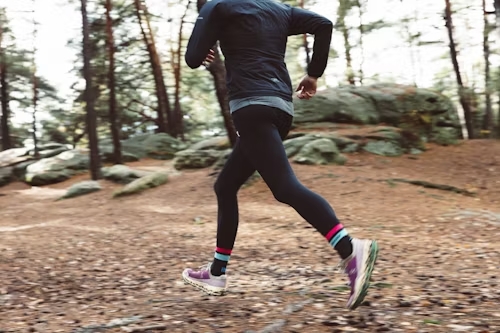
Trail running is a very fulfilling way to enjoy the outdoors but it’s not just about throwing on your running shoes and heading out. Rocky or hilly terrain, steep ascents and technical descents demand more than fitness, but also skill, balance and body awareness. The best trail running technique will ensure that you run faster, without injury and every stride will be enjoyable. Whether you are new to the running world or an experienced runner, you need to learn how to move in a trail.
Why Trail Running Technique Matters
Trails are not like road running because they always place your body under pressure to adjust. Stones, roots, mud and hills give your stability and strength a challenge. Good technique will help you to use your energy efficiently, protect your joints, and feel confident to run long or technical runs. Even such minor details as better posture or more intelligent foot placement can become significant in the long run
- Foot Placement and Stride
It is a step by step process in the trails. Staying soft on your midfoot or forefoot will help absorb shock. Shorter, faster steps will be more efficient, particularly on steep uphill. Major considerations to have in mind:
- The trail should be scanned in front to avoid challenges.
- Do not over stride; make it short and purposeful.
- Adjust step length depending on terrain, shorter on steep sections, longer on gentle slopes.
- Core Engagement and Posture
The center of all the activities of the trail is your core. A strong, active core will stabilize your torso and take the strain off your legs and hips.. Focus on:
- Keeping an upright posture even on inclines.
- Engaging your abdominals and glutes for balance.
- Practicing off-trail exercises like planks and rotational moves to strengthen stability.
- Arm Movement and Coordination
Your arms aren’t just for swinging, they’re a source of propulsion and balance. Tips for effective arm use:
- Bend elbows at 90 degrees and move in rhythm with opposite legs.
- Use arms to propel forward on climbs.
- Stabilize your body on descents with controlled swings.
- Climbing and Descending Techniques
Trail running uphill is about strategy, not brute force. Key techniques include:
- Lean slightly forward from the ankles.
- Take short, steady steps and maintain consistent breathing.
- On descents, keep knees soft, lean slightly forward, and stay alert to avoid falls.
- Trail-Specific Strength Training
Trail-specific exercises train you to apply good form on the trails:
- Lunges and step-ups for leg strength.
- Stability on one leg through squats.
- Hill repeats or stair workouts to mimic trail challenges.
- Mental Focus and Trail Awareness
Your mind is as important as your body. Staying focused is a promise of safety and effectiveness. The following are the tips to consider:
- Keep eyes scanning ahead for obstacles.
- Adjust pace according to terrain.
- Always be aware of your footing, position and breathing.
Final Thoughts
Mastering trail running technique is a combination of both physical and mental awareness. Placing your feet correctly, coupling the core, arm coordination and trail awareness will contribute to making you more efficient, injury-free and fun to be around when you go on the runs. Regardless of what type of mountain surfaces you are running on, be it technical mountainous surfaces or local paths, through better trail running technique, you will be able to run smarter, not harder.
With a little focus on these tips, you will be able to gain confidence on any trail, preserve energy on the climbs and descend safely. Each trail is different, so adjust your style to the trail and conditions. Through commitment and mindfulness, your trail running will become safer, and more powerful, and definitely much more fulfilling.