
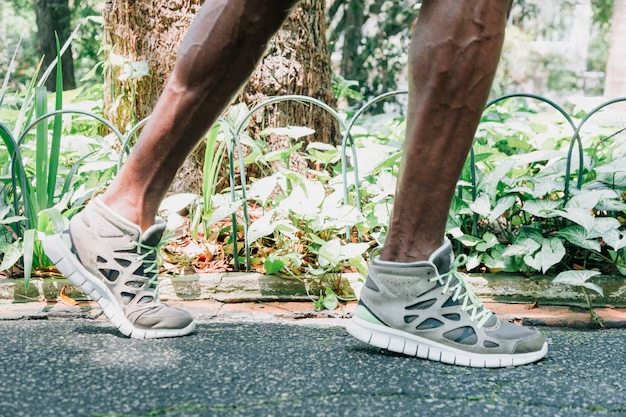
Trail running is not just about endurance; it’s about adaptability, balance, and connection with the terrain. As the sport evolves, so does the gear supporting it. One of the most important innovations today is foot-shaped trail footwear, designed to match the natural anatomy of your feet. Unlike traditional running shoes, these prioritize function over fashion, giving trail runners a more natural and efficient experience on rugged terrain.
What Is Foot-Shaped Trail Footwear?
Foot-shaped trail footwear is built to follow the natural contour of the human foot, especially in the toe box area. Instead of squeezing your toes together, these shoes allow them to spread naturally, just as they would when barefoot.
This design encourages proper alignment, better weight distribution, and improved overall movement. For trail runners, this translates into a more stable and grounded feel when navigating uneven surfaces such as rocks, roots, and steep inclines. By mimicking the natural shape of the foot, these shoes help runners maintain better control during technical sections of a trail.
Why Trail Runners Are Making the Switch
The trail environment is unpredictable, and your footwear plays a critical role in how well you handle it. Foot-shaped shoes offer advantages that traditional narrow shoes simply cannot match.
Enhanced Stability and Balance
When your toes can spread out naturally, your foot creates a wider and more stable base. This is essential when running on uneven terrain where every step matters. Whether you are climbing uphill or descending on loose gravel, improved balance helps reduce slips and increases confidence.
Injury Prevention
Many common running injuries are caused by restricted foot movement. Traditional narrow shoes can lead to blisters, black toenails, and even structural issues like bunions over time. Foot-shaped footwear eliminates unnecessary compression, allowing your feet to function naturally and reducing the risk of these problems during long trail runs.
Improved Ground Feel
Most foot-shaped trail shoes feature a low-drop or zero-drop design, meaning there is little to no height difference between the heel and forefoot. This promotes a more natural running posture and enhances your connection to the ground. As a result, runners can react more quickly to changes in terrain, improving agility and efficiency.
Key Features to Look For
Not all foot-shaped trail shoes are the same, so it’s important to choose wisely. Here are the key features to consider:
- Wide Toe Box: Allows natural toe splay for better balance and comfort
- Zero or Low Drop: Encourages proper posture and natural stride
- Aggressive Outsole: Provides strong grip on muddy, rocky, or loose surfaces
- Flexible Sole: Supports natural foot movement and adaptability
- Rock Plate Protection: Shields your feet from sharp rocks and trail debris
These features combine to create a shoe that supports both performance and protection, making your trail running experience safer and more efficient.
Transitioning to Foot-Shaped Trail Footwear
Switching to foot-shaped shoes requires a gradual approach. Because these shoes encourage natural movement, they activate muscles in your feet and lower legs that may not be fully developed if you’re used to traditional footwear.
Start with shorter runs and slowly increase your distance over time. It’s normal to feel some soreness in the beginning, especially in your calves and arches. With consistent use, your feet will become stronger, and your running form will improve. Patience during this transition phase is key to avoiding injury and maximizing benefits.
Who Should Consider Foot-Shaped Trail Shoes?
Foot-shaped trail footwear is a great option for a wide range of runners. It is particularly beneficial for those who want to improve stability and control on technical trails. Runners with wide feet or those who experience discomfort in traditional shoes will also find relief with this design.
Additionally, athletes who are interested in a more natural running style or want to strengthen their feet can greatly benefit from making the switch. Even experienced trail runners are increasingly adopting foot-shaped footwear to enhance performance and reduce long-term injury risks.
FAQs
1. Do foot-shaped trail shoes improve running performance?
Yes, foot-shaped trail shoes can significantly improve running performance by enhancing natural foot mechanics, balance, and stability. With improved toe splay and better ground contact, runners can achieve more efficient strides, reduced fatigue, and greater control on technical terrain, especially during long-distance trail runs.
2. Are foot-shaped trail shoes suitable for beginners?
Foot-shaped trail shoes are suitable for beginners, but a gradual transition is important. These shoes promote natural movement and often have minimal cushioning, so new runners should begin with short runs. This allows muscles and tendons to adapt properly, reducing the risk of soreness and injury over time.
Final Thoughts
Foot-shaped trail footwear represents a significant shift in how runners approach both performance and injury prevention. By allowing your feet to move naturally, these shoes improve stability, comfort, and efficiency on the trails. Whether you are new to trail running or an experienced athlete, investing in footwear that supports your natural biomechanics can transform your running experience and help you perform at your best.