
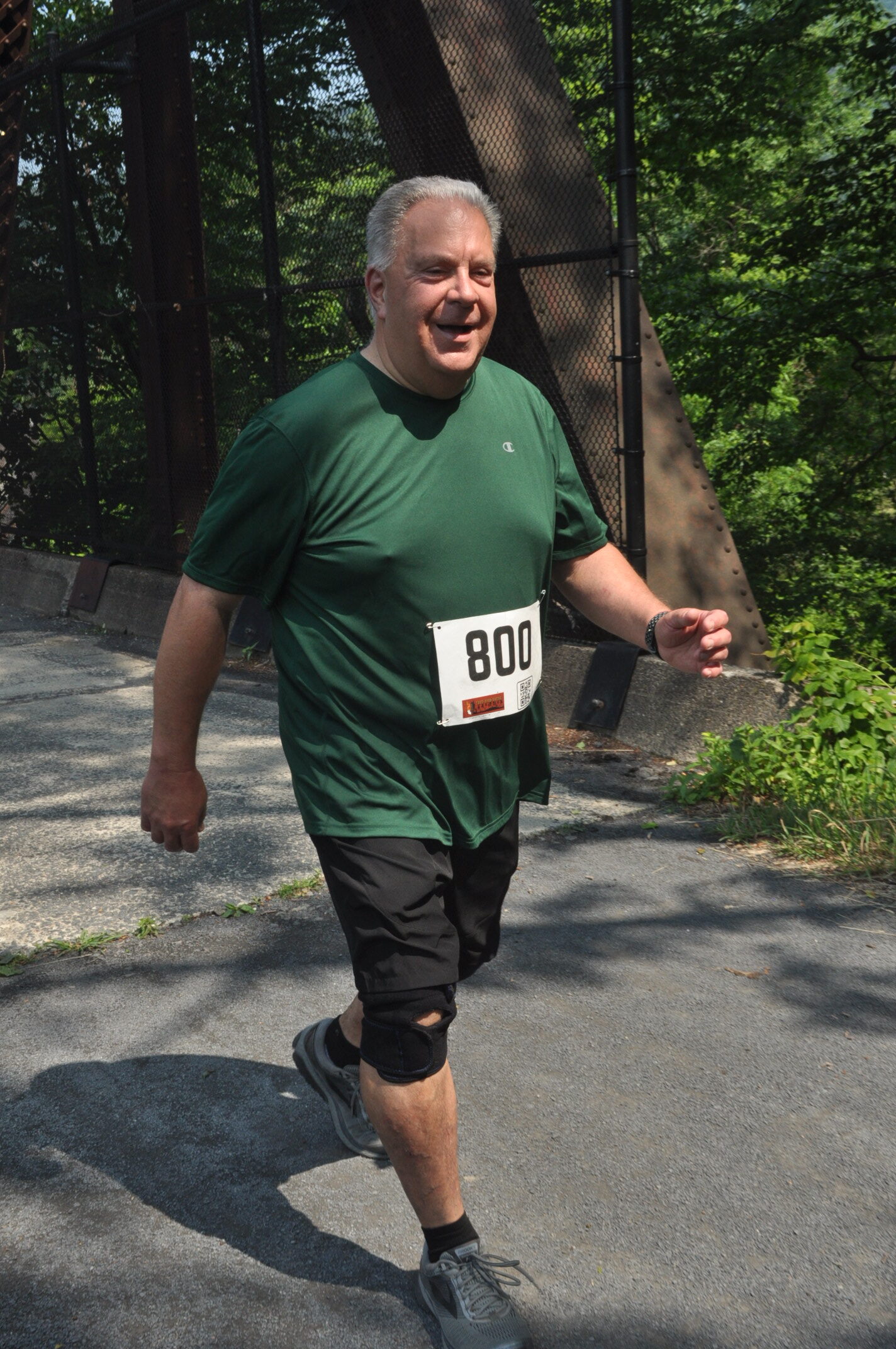
Trail running downhill is one of the most exciting parts of any run. The sense of speed, the natural pull of gravity, and the rhythm of moving with the terrain can feel incredibly rewarding. However, downhill sections are also where most trail running injuries occur. From ankle sprains to knee strains and unexpected falls, the risks increase significantly when you’re descending.
The good news? With the right techniques and awareness, you can run downhill safely, efficiently, and confidently. This guide will walk you through essential downhill safety tips to help you stay in control while still enjoying the thrill of the trail.
Why Downhill Running Requires More Attention
Running downhill is not just “easier running.” It places unique stress on your body. Every step creates a braking force, which puts extra pressure on your knees and quadriceps. At the same time, trails often include loose rocks, uneven ground, and unpredictable obstacles.
This combination of speed and instability reduces reaction time. That’s why downhill running requires more focus, better technique, and stronger control than uphill running.
Get Your Body Position Right First
Your posture is the most important factor in downhill safety. Many runners lean backward to slow themselves down, but this actually increases impact and makes them more likely to slip.
Instead, lean slightly forward from your ankles while keeping your body aligned. Your center of gravity should stay over your feet, not behind them. This allows you to move with gravity rather than fight it.
Stay relaxed through your upper body. Tension can make your movements stiff and reduce your ability to react quickly to changes in terrain.
Adjust Your Stride for Stability
Your stride determines how much control you have. Long, aggressive steps may feel fast, but they reduce stability and increase the risk of losing balance.
A safer and more effective approach is:
- Take shorter, quicker steps
- Keep your feet landing lightly under your body
- Maintain a steady rhythm rather than forcing speed
This technique improves balance, reduces joint stress, and allows faster reactions to obstacles.
Train Your Eyes to Lead the Way
Where you look directly affects how you move. Staring down at your feet limits your awareness and slows your response time.
Instead, keep your gaze focused a few steps ahead on the trail. This helps your brain anticipate what’s coming, rocks, roots, or sudden drops, and adjust your movement smoothly.
Good vision habits can make the difference between flowing down a trail and constantly stumbling.
Use Your Arms as a Balance Tool
Your arms play a bigger role than you might think, especially on technical descents. Keeping them slightly out to your sides helps stabilize your body.
You don’t need exaggerated movements, but a natural, slightly wider arm position improves balance and control. This becomes especially useful on:
- Sharp turns
- Uneven terrain
- Loose or slippery surfaces
Think of your arms as part of your stability system, not just something that moves with your stride.
Control Speed the Smart Way
Trying to slow yourself down by force, like digging your heels into the ground, often causes more harm than good. It increases strain on your knees and can lead to slipping.
Instead, manage your speed through:
- Shorter strides
- Consistent cadence
- Proper body alignment
If the terrain becomes too steep or technical, it’s completely fine to slow down or walk. Smart runners know that control is more important than speed.
Wear Trail Shoes That Match the Terrain
Your footwear can either support you or work against you. Trail running shoes are designed to handle uneven surfaces and provide better grip than regular running shoes.
When choosing shoes, focus on:
- Strong traction for loose or wet surfaces
- Good cushioning to absorb impact
- A secure fit to prevent foot movement inside the shoe
The right shoes increase confidence and reduce the risk of slipping or sliding on descents.
Build Strength to Handle Impact
Downhill running places heavy demands on your muscles, especially your quadriceps and glutes. Without proper strength, your body absorbs more shock, increasing fatigue and injury risk.
Incorporating strength training into your routine can make a big difference. Focus on exercises that improve control and stability, such as:
- Squats and lunges
- Step-down exercises
- Balance and stability drills
Stronger muscles help you stay in control and reduce the strain on your joints.
Practice to Improve Confidence and Skill
Downhill running is a skill that improves over time. The more you practice, the better your coordination and confidence become.
Start with easier trails and gradually progress to more technical descents. This allows your body to adapt and learn how to respond to different terrains.
Consistency is key. Even short downhill practice sessions can significantly improve your technique.
Stay Mentally Engaged on the Trail
One of the biggest risks during downhill running is losing focus. Even a brief moment of distraction can lead to a misstep.
Stay present and aware of your surroundings. Keep your mind engaged with the trail and avoid anything that takes your attention away from your footing.
Mental focus is just as important as physical technique when it comes to staying safe.
FAQs
1: How can I run downhill faster without increasing my risk of injury?
To run faster safely, focus on control rather than speed. Use shorter strides, maintain a slight forward lean, and keep your cadence consistent. Avoid over-braking and stay relaxed. Practicing regularly on different terrains also improves coordination and helps you handle speed more confidently.
2: What is the most common mistake in downhill trail running?
The most common mistake is leaning backward to slow down. This increases the impact on the knees and reduces balance. Instead, maintain a slight forward lean and let your stride control your speed. Proper posture and awareness significantly reduce the risk of slips and injuries.
Final Thoughts
Downhill trail running is not just about going fast; it’s about staying in control while moving efficiently. The combination of proper posture, smart footwork, and mental focus allows you to handle descents with confidence.
When you respect the terrain and refine your technique, downhill sections become less intimidating and more enjoyable. Take your time to build skill, listen to your body, and prioritize safety. Over time, you’ll find yourself moving faster, smoother, and with far greater confidence on every trail