
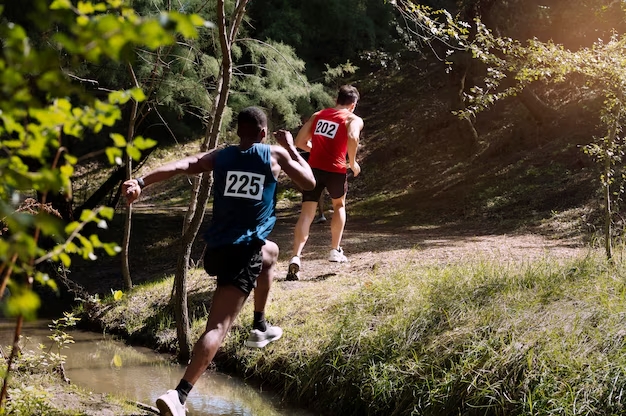
If your legs are strong but your form breaks down on uneven terrain, the missing piece is often your core. Trail running is not just about forward movement. It is about staying balanced, stable, and controlled with every step. That is where trail running core strength exercises make a real difference.
Your core connects your upper and lower body. It keeps your posture steady on climbs, helps you stay controlled on descents, and allows you to react quickly on technical terrain. Without a strong core, even fit runners lose efficiency and waste energy.
Think Of Your Core As Your Control System
Instead of seeing the core as just abs, think of it as your body’s control center.
It helps you:
- Stay upright on steep climbs
- Stabilize your hips on uneven ground
- Reduce unnecessary side-to-side movement
- Maintain balance on technical trails
- Protect your lower back during long runs
When your core is working well, your movement becomes smoother and more efficient.
What Trail Running Demands From Your Core
Trail running constantly challenges your stability. Unlike flat surfaces, trails force your body to adjust with every step.
Your core needs to:
- React quickly to changes in terrain
- Support your posture under fatigue
- Keep your movement controlled on descents
- Help transfer power between your legs and upper body
This is why general core workouts are not always enough. You need exercises that improve control, not just strength.
A Functional Core Routine For Trail Runners
This routine focuses on stability, balance, and controlled movement. It is designed to support real trail running demands.
1. Build Stability With Plank Variations
Planks are one of the simplest ways to strengthen your core.
Hold a plank position with your body in a straight line. Focus on keeping your hips steady and your shoulders relaxed.
To progress:
- Try side planks
- Lift one leg slightly
- Add small movements
This builds the foundation for stability on uneven terrain.
2. Improve Control With Dead Bug Movement
This exercise trains coordination between your core and limbs.
Lie on your back with arms and legs raised. Slowly extend your opposite arm and leg while keeping your core engaged.
Move with control and avoid letting your lower back lift.
This improves coordination and helps your body stay stable during movement.
3. Strengthen Balance With Bird Dog
The bird dog exercise focuses on stability and control.
Start on your hands and knees. Extend one arm and the opposite leg. Hold briefly and return to the starting position.
Keep your hips steady and avoid rotating your body.
This builds balance and improves your ability to stay controlled on uneven surfaces.
4. Add Rotational Strength With Russian Twists
Trail running often involves subtle rotation, especially on technical terrain.
Sit with your feet slightly off the ground and rotate your torso side to side.
Keep the movement controlled rather than fast.
This helps improve rotational strength and coordination.
5. Build Lower Core Strength With Leg Raises
Your lower core supports stability during long runs.
Lie on your back and slowly raise your legs while keeping your core engaged. Lower them with control.
Avoid arching your lower back.
This strengthens your core and improves overall control.
6. Challenge Stability With Single Leg Holds
Trail running requires balance on one leg at a time.
Stand on one leg and hold your position. You can add small movements or close your eyes for more challenges.
This improves stability and strengthens the connection between your core and lower body.
How To Structure Your Core Training
You do not need long sessions to see results.
A simple structure:
- 2 to 3 sessions per week
- 10 to 15 minutes per session
- Focus on control, not speed
Consistency matters more than intensity.
How Core Strength Improves Your Running
As your core becomes stronger, you will notice changes in your running.
You may feel:
- Better balance on technical terrain
- Improved posture during long runs
- Less fatigue in your lower back
- Smoother and more efficient movement
These improvements make trail running feel more controlled and less exhausting.
Signs You Need More Core Work
Your body often shows clear signs when your core needs attention.
Watch for:
- Poor balance on uneven trails
- Excessive upper body movement
- Lower back discomfort
- Fatigue affecting your posture
Addressing these early can improve both performance and comfort.
Mistakes To Avoid
Core training is simple but easy to do incorrectly.
Avoid:
- Rushing through exercises
- Focusing only on abs
- Ignoring form
- Skipping consistency
Quality movement is more important than doing more repetitions.
FAQs
1. How often should I do core exercises for trail running
You can include core exercises 2 to 3 times per week. Short, consistent sessions are enough to build strength and improve stability over time.
2. Do core exercises really help with trail running performance
Yes, a strong core improves balance, posture, and control. This helps you move more efficiently on uneven terrain and reduces the risk of fatigue and injury.
Final Thoughts
Adding trail running core strength exercises into your routine helps you build a stronger foundation for every run. It supports better balance, improved control, and more efficient movement across different terrains.
You do not need complicated workouts. A few focused exercises done consistently can make a noticeable difference. Over time, your running becomes more stable, more controlled, and more enjoyable on any trail.