
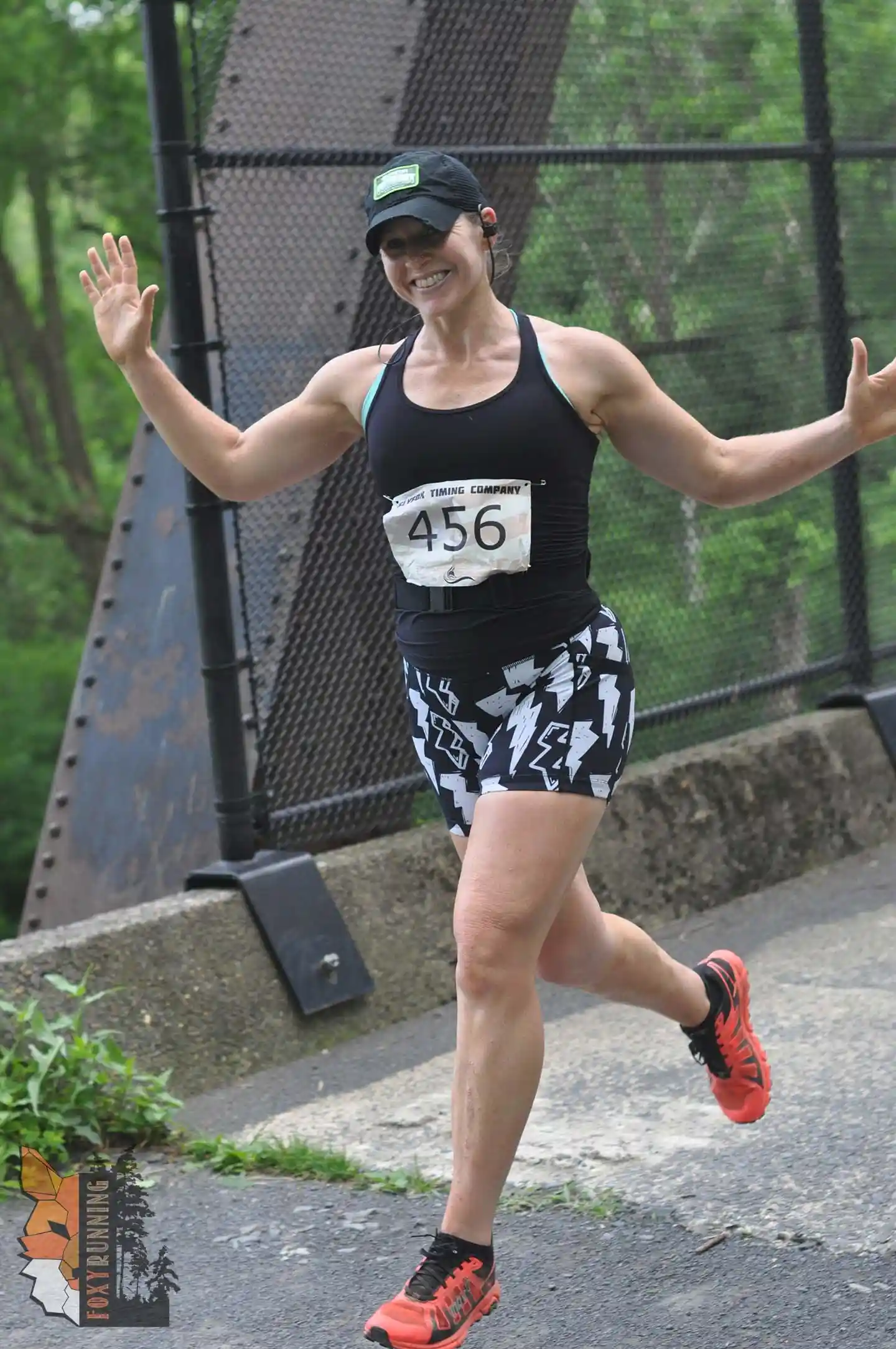
Trail running demands more than just fitness; it requires constant stability and control with every step. Uneven terrain, loose rocks, roots, and steep descents all challenge your balance in ways that road running simply doesn’t. That’s why adding trail running balance training exercises to your routine can make a noticeable difference in how confidently and efficiently you move on the trails.
On unpredictable surfaces, your body must react quickly to stay stable. Your ankles, hips, and core work together to keep you balanced while adapting to each step. Without that control, even experienced runners can feel unstable or waste extra energy. The good news is that balance is a trainable skill, and with consistent practice, you can improve your stability, coordination, and overall trail performance.
Why Balance Training Matters for Trail Runners
Balance is what allows you to stay upright, controlled, and efficient when the terrain becomes unpredictable. It directly impacts how well you handle technical sections and how much energy you use while doing it.
Improving balance helps you:
- React faster to uneven surfaces
- Reduce ankle rolls and slips
- Maintain better running form
- Improve coordination and foot placement
- Conserve energy on technical trails
A stronger balance also means less wasted movement. When your body is stable, each step becomes more efficient, allowing you to run longer with less fatigue.
Essential Trail Running Balance Training Exercises
These exercises are simple, effective, and can be done at home with little to no equipment. The goal is to train your body to stay stable under movement, not just when standing still.
1. Single-Leg Stand
This is one of the most basic but powerful balance exercises for trail runners.
How to do it:
- Stand on one leg
- Keep your posture upright
- Hold for 20–40 seconds
- Switch sides
To make it more challenging:
- Close your eyes
- Stand on an unstable surface
- Move your arms slowly
This exercise strengthens your ankles and improves your ability to stabilize during each step on uneven ground.
2. Single-Leg Squats
Single-leg squats build both strength and balance at the same time.
How to do it:
- Stand on one leg
- Slowly lower into a squat
- Keep your knee aligned with your foot
- Push back up with control
Start with shallow depth if needed and gradually increase as your balance improves. This exercise is especially helpful for controlling descents on trails.
3. Step-Ups with Balance Hold
This movement mimics a trail running motion while adding a balance challenge.
How to do it:
- Step onto a box or bench with one foot
- Drive your body upward
- Pause at the top on one leg
- Hold for 2–3 seconds
- Step down and repeat
This helps improve coordination, stability, and control when moving uphill or stepping over obstacles.
4. Lateral Lunges
Trail running often requires side-to-side stability, especially on uneven terrain.
How to do it:
- Step out to the side
- Bend one knee while keeping the other leg straight
- Push back to the starting position
This exercise strengthens your hips and improves lateral balance, which is essential for navigating off-camber trails.
5. Single-Leg Deadlifts
This is one of the best exercises for building balance and posterior chain strength.
How to do it:
- Stand on one leg
- Hinge forward at the hips
- Extend your other leg behind you
- Return to standing with control
Focus on keeping your hips stable and your movement smooth. This exercise improves control and coordination during dynamic movement.
6. Heel-to-Toe Walk
This simple drill helps improve coordination and balance awareness.
How to do it:
- Walk in a straight line
- Place one foot directly in front of the other
- Move slowly and with control
You can do this anywhere, and it’s especially useful as a warm-up before runs.
7. Balance Board or Cushion Training
Using an unstable surface increases the challenge and improves your ability to react quickly.
How to do it:
- Stand on a balance board or cushion
- Try to maintain stability
- Add small movements or shifts
This trains your stabilizing muscles to respond quickly, just like they need to on technical trails.
8. Jump and Stabilize
This exercise trains dynamic balance and control during impact.
How to do it:
- Jump forward or sideways
- Land on one foot
- Hold your balance for a few seconds
This simulates real trail conditions where you may need to react quickly and stabilize after uneven steps.
How to Add Balance Training to Your Routine
You don’t need long sessions to see results. Even short, consistent practice can make a big difference.
A simple approach:
- 2–3 sessions per week
- 10–15 minutes per session
- Combine 3–5 exercises
- Focus on control rather than speed
You can also include some of these exercises in your warm-up before runs to activate stabilizing muscles.
Common Mistakes to Avoid
When doing balance training, keep these points in mind:
- Rushing through exercises
- Ignoring proper form
- Not challenging yourself progressively
- Skipping consistency
- Only train both legs instead of single-leg movements
Balance improves through control and repetition, not speed.
Benefits You’ll Notice on the Trail
With consistent practice, balance training can lead to noticeable improvements in your trail running:
- Better control of technical terrain
- More confidence during descents
- Reduced fatigue from unnecessary movement
- Fewer slips and missteps
- Improved overall running efficiency
These benefits make your runs feel smoother and more enjoyable.
FAQs
1. How often should I do balance training for trail running?
You can include balance training 2–3 times per week. Even short sessions of 10–15 minutes can improve stability, coordination, and control over time, especially when done consistently alongside your regular running routine.
2. Do balance exercises really help prevent trail running injuries?
Yes, balance exercises can help reduce the risk of injuries by improving joint stability, coordination, and muscle control. A stronger balance makes it easier to handle uneven terrain and react quickly to unexpected changes on the trail.
Final Thoughts
Balance is one of the most underrated skills in trail running, yet it plays a major role in how efficiently and safely you move across the terrain. By adding trail running balance training exercises into your routine, you build a stronger foundation that supports every step you take on the trail.
You don’t need complicated workouts, just consistent practice and focus. Over time, better balance leads to better control, stronger movement, and more confident trail running experiences.