
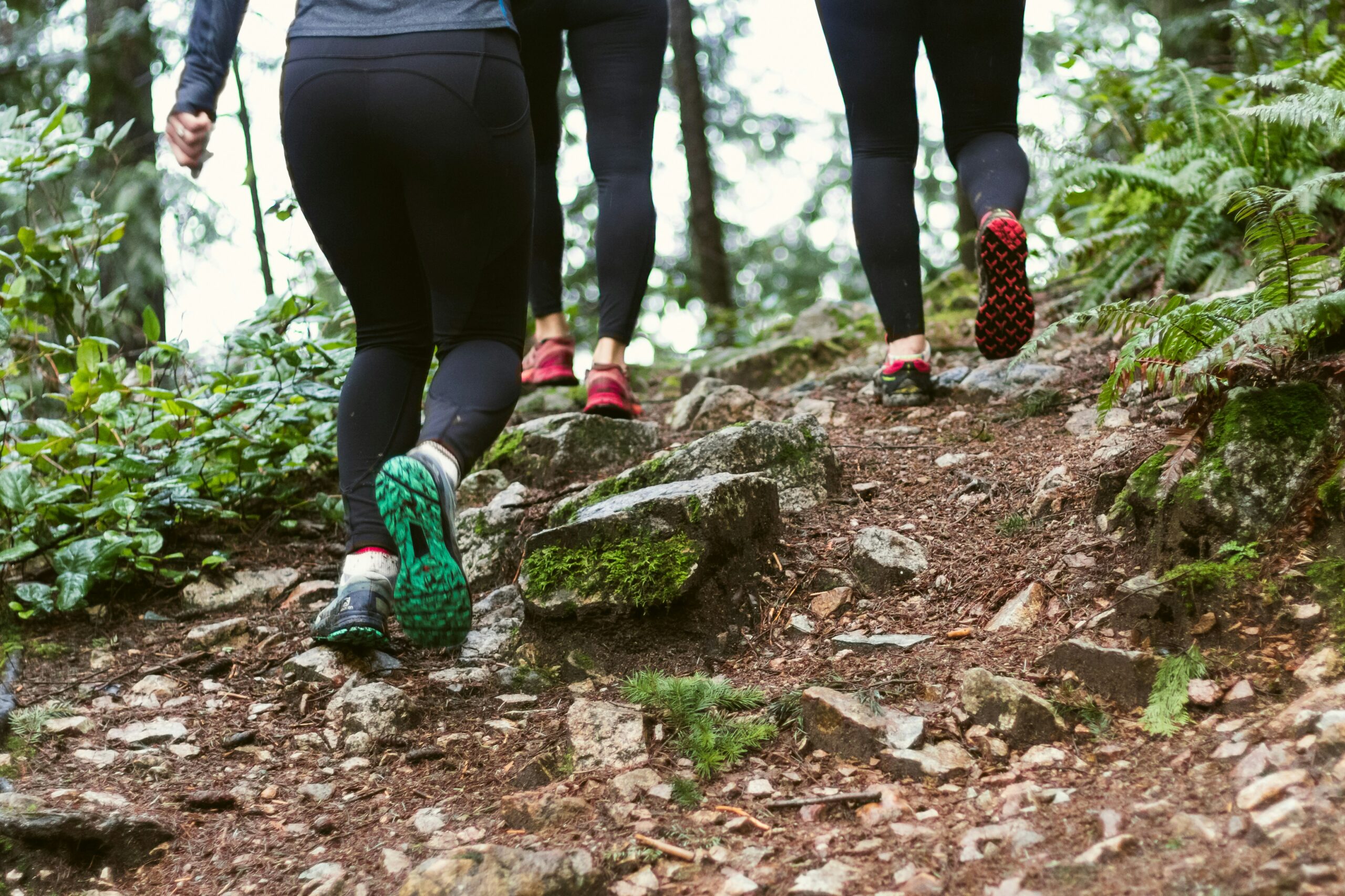
Zero-drop shoes have created plenty of conversation in the trail running world. Some runners swear by the natural feel and grounded stability they provide, while others approach them cautiously due to the adjustment required. But no matter where you stand, zero-drop geometry has become an important part of modern trail footwear design, and understanding it can help you decide if it fits your running style.
Zero-drop doesn’t mean “minimalist” or “barefoot”; it simply describes the distance between your heel and forefoot. In zero-drop shoes, that difference is exactly zero. Your foot sits level. This small geometric change can have a big impact on posture, foot strike, and running mechanics, especially on trails where angles, terrain, and balance constantly shift.
Let’s break down what zero-drop geometry really is, why some runners love it, and how it influences your trail running technique.
What Does Zero-Drop Geometry Mean?
In most traditional running shoes, there’s a height difference between the heel and the forefoot, usually around 4 to 12 millimeters. This is known as the heel-to-toe drop.
Zero-drop geometry means:
- The heel and forefoot sit at the same height
- Your foot rests on a flat, level platform
- The shoe encourages a more natural, upright posture
It doesn’t automatically mean less cushioning. Many zero-drop models offer plenty of stack height and protection, but the platform remains leveled.
Why Zero-Drop Shoes Appeal to Trail Runners
Trail running requires balance, stability, and natural movement. A level platform helps many runners feel more connected to the ground.
Improved Ground Awareness
A flat base helps your foot sense terrain changes more quickly, improving reaction time.
More Natural Alignment
Your ankle, knee, and hip often fall into a more neutral position, which some runners find reduces strain.
Stronger Foot Activation
Zero-drop geometry encourages midfoot or forefoot striking, which can strengthen foot muscles over time.
Stable Technical Running
On uneven terrain, a level platform allows a more centered feel, helpful on rocks, roots, and cambered trails.
Zero-drop isn’t inherently “better,” but it offers a different approach that some runners find more efficient and natural.
Zero-Drop Doesn’t Mean Minimal Cushioning
This is one of the biggest misconceptions. Zero-drop shoes come in many styles:
- Minimalist models with very low stack height
- Moderate-cushion options suitable for everyday trail runs
- Max-cushioned zero-drop shoes designed for ultras
You can enjoy a level platform without sacrificing cushioning, protection, or comfort.
How Zero-Drop Geometry Affects Running Form
When you switch to a level platform, your body may adjust naturally:
Encourages Shorter Strides
Without a raised heel, overstriding becomes less common.
Promotes Midfoot Engagement
Many runners land more softly and evenly across the foot.
Stimulates Lower Leg Muscles
Calves and Achilles tend to work a bit harder, which can be beneficial with proper adaptation.
Helps Maintain Upright Posture
A flat platform often leads to a more aligned spine and pelvis, which improves balance on trails.
However, these changes require gradual adaptation.
How to Transition Safely to Zero-Drop Shoes
Jumping straight into high-mileage zero-drop running can overwork muscles that aren’t ready yet. A slow transition is key.
Here’s a smart approach:
- Start with short runs (10–15 minutes) in zero-drop shoes
- Mix them into your week gradually
- Strengthen your calves, ankles, and feet
- Increase duration slowly over several weeks
- Avoid fast downhills early in the transition
Your body learns quickly, but only with patience.
Who Benefits Most from Zero-Drop Geometry?
Zero-drop shoes often work well for:
- Runners who prefer a natural stride
- Those with strong lower leg muscles
- People who enjoy ground feel and stability
- Trail runners focused on agility and balance
- Athletes who value posture and form over speed alone
However, runners with very tight calves, Achilles issues, or extreme heel striking habits may need a slower or more cautious transition.
When Zero-Drop May Not Be Ideal
Zero-drop isn’t a universal solution. It may feel less comfortable if you:
- Need extra heel cushioning for long descent
- Struggle with Achilles tightness
- Prefer a more traditional geometry for speed
- Experience discomfort during early use
Choosing footwear is personal; the goal is comfort and control, not conformity.
Final Thoughts
Zero-drop geometry offers trail runners a unique way to connect with the ground, improve balance, and move in a more natural posture. It doesn’t promise instant performance gains; instead, it provides a stable, grounded platform that supports smoother, more aware movement on technical terrain.
If you approach the transition gradually, zero-drop shoes can help strengthen your feet, refine your form, and create a more natural running experience. Like any tool, they work best when matched to your running style, terrain, and goals. When they fit right, the feeling of balance and control on the trail can be truly rewarding.