
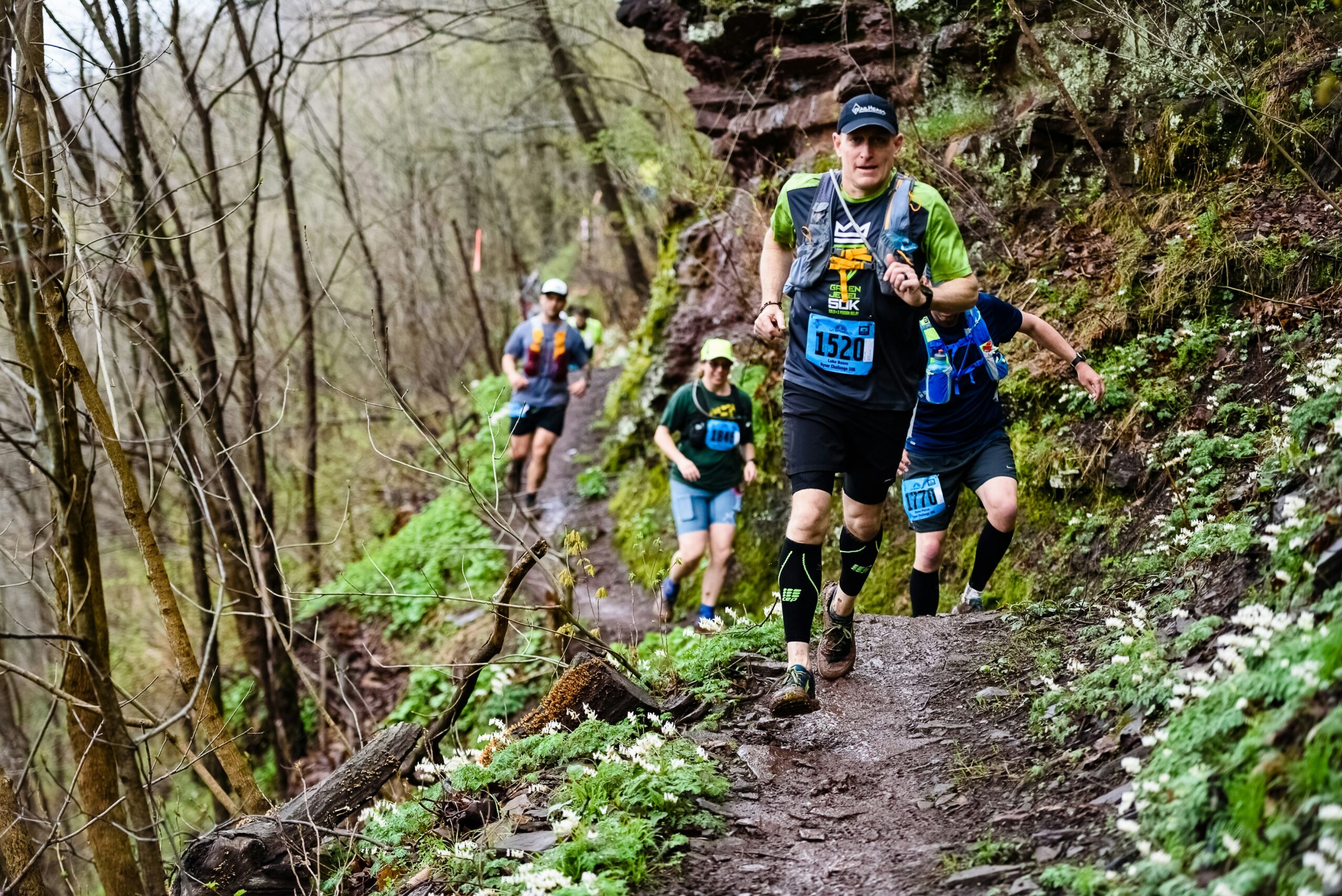
Spend enough time on the trails, and you begin to notice something: the best trail runners aren’t just strong or fast. They’re aware. They move in a way that looks smooth and instinctive, adjusting to rocks, roots, and shifting surfaces without missing a beat.
That skill comes from proprioceptive ground feel, a deeper connection between your feet, brain, and the terrain beneath you.
If you’ve ever felt clumsy on technical trails or struggled to react quickly when the ground changes, improving your proprioceptive ground feel can completely transform your running. This blog breaks down what it is, why it matters, and how to build it naturally and effectively.
What Does Proprioceptive Ground Feel?
Proprioception is your body’s ability to sense where it is in space. Ground feel is the tactile information your feet absorb with every step.
Put together, proprioceptive ground feel describes how well you can sense the terrain, adjust your movement, and stay balanced on uneven ground. It’s the reason experienced trail runners seem to read the trail instantly; their brain and feet are constantly communicating.
You don’t consciously think, “that rock is angled” or “that root is slippery.” Your body just reacts.
Why Ground Feel Matters So Much in Trail Running
Trail running demands far more awareness than road running. The terrain changes constantly, and your ability to respond quickly can be the difference between flowing through a section or catching a toe and falling. Improved proprioceptive ground feel helps you:
- Stabilize on uneven terrain
Your feet automatically adjust when the ground slopes or shifts. - Move confidently in technical sections
Rock gardens, roots, and tight turns feel less intimidating. - Run smoother downhill
Your body anticipates landings instead of fighting them. - Prevent injuries
Better foot awareness reduces missteps, ankle rolls, and overcompensation. - Build natural running mechanics
Your feet, ankles, and lower legs strengthen in the way they’re meant to.
It’s a subtle skill, but one that quietly shapes how strong and capable you feel on the trail.
How Shoe Choice Affects Ground Feel
Your trail shoes influence how much information your feet receive from the ground.
- Low-Stack or Minimal Shoes
Provide more ground feel, more sensory input, and more foot engagement. Great for training proprioception but must be introduced gradually. - Moderate Cushion Trail Shoes
Offer a balanced ride: enough protection but still some ground feedback. - Max Cushion Shoes
Comfortable for long distances, but they mute ground feel. These shoes have their place, but they don’t train responsiveness as effectively.
You don’t have to switch styles completely, even short sessions in lower-stack shoes can improve your awareness and foot control.
How to Improve Your Proprioceptive Ground Feel
The best part: you can train this almost anywhere, and you’ll feel improvements quickly.
1. Barefoot Warm-Ups
A few minutes of walking or gentle drills on grass or dirt helps wake up the small stabilizing muscles in your feet and reconnects your brain to your stride. It’s simple and surprisingly effective.
2. Balance Drills
Single-leg stands, slow hip circles, or standing on a cushion or wobble board teach your body how to stabilize without overthinking. Better balance equals better response to terrain changes.
3. Short Trail Sessions in Lower-Stack Shoes
If your body tolerates it, mix in a small portion of each run with more ground-feel-focused shoes. Start with easy trails and slowly progress to more technical sections.
4. Slow Technical Trail Practice
Walk or jog slowly through rockier areas and focus on each step. This controlled exposure trains your ability to interpret terrain.
5. Foot and Ankle Strengthening
Simple exercises like toe raises, single-leg hops, or resistance band ankle work strengthen the muscles that support ground feel and stability.
Consistency matters far more than volume. Small doses add up fast.
When Ground Feel Really Pays Off
You’ll notice the benefits most in situations where the trail demands quick reactions:
- Wet rocks or slippery roots
- Steep downhills
- Narrow switchbacks
- Rocky climbs
- Loose gravel
- Sudden dips or uneven patches
These are the moments when good proprioception turns chaos into flow. Your steps become lighter, more adaptable, and more confident.
Final Thoughts
Proprioceptive ground feel isn’t about running barefoot or switching to minimalist shoes. It’s about teaching your body to listen to the trail and react with precision. The more you develop this connection, the easier technical terrain becomes, and the more enjoyable your runs feel.
Train your awareness just like you train your endurance or strength, and you’ll discover a level of control and confidence that completely changes the way you move on the trails.