
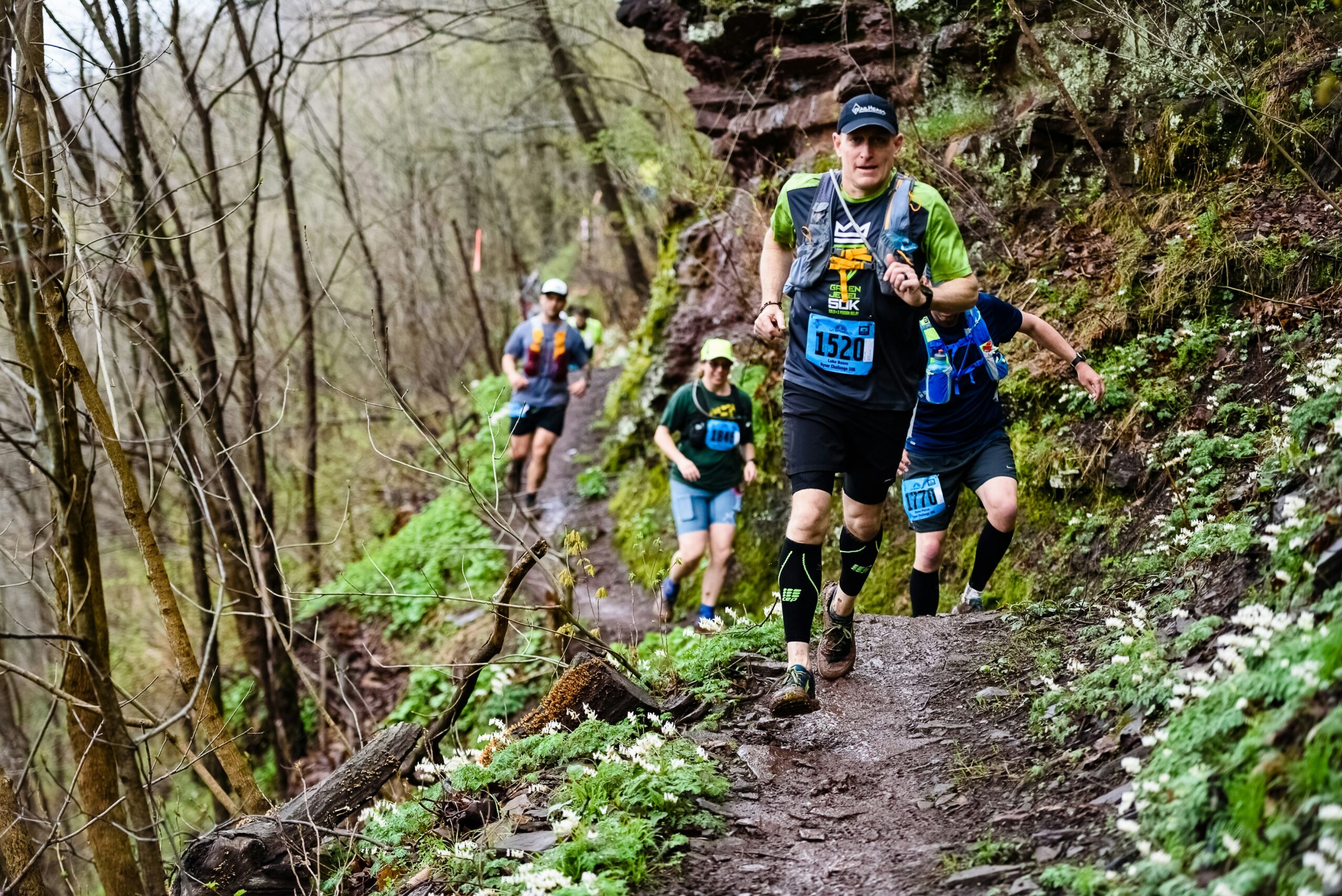
Trail running is not just a workout; it’s a way to connect with nature, challenge your body, and enjoy the freedom of moving over varied terrain. For many runners, comfort and performance start with the right shoes. One design that’s gained tremendous attention in recent years is zero-drop trail shoes.
But what exactly does “zero drop” mean, and why are these shoes becoming so popular among trail athletes? This guide breaks down everything you need to know about zero-drop trail shoes, how they work, and whether they might be the perfect fit for your trail adventures.
What Does Zero Drop Mean?
Zero drop refers to the lack of height difference (or “drop”) between the heel and toe of a shoe. In traditional running shoes, the heel sits higher than the forefoot. In zero-drop shoes, both heel and forefoot rest at the same level, promoting a more natural foot position, closer to barefoot running.
This design encourages a midfoot or forefoot strike, which can improve posture, distribute impact more evenly, and help maintain a smoother stride, especially useful on trails with uneven terrain.
Benefits of Zero Drop Trail Shoes
Zero-drop trail shoes offer a variety of advantages that appeal to both natural running enthusiasts and adventurers seeking closer terrain feedback.
1. Natural Foot Movement
With zero drop, your foot lands more like it would when barefoot, engaging muscles, tendons, and ligaments that often remain underused in traditional shoes. This can lead to stronger feet and improved balance.
2. Better Stability on Uneven Terrain
Trail surfaces are unpredictable; rocks, roots, and dips demand quick stability adjustments. Zero-drop shoes help keep your foot closer to the ground, enhancing proprioception (your body’s awareness of movement) and balance.
3. Improved Running Form
Without an elevated heel, your stride naturally shifts toward a more efficient running pattern. This can reduce overstriding and promote smoother transitions from landing to push-off.
4. Stronger Lower Leg Muscles
Zero-drop shoes engage calves and foot muscles more than traditional footwear. Over time, this can strengthen the muscles in your feet and lower legs, potentially reducing injury risk when adapted properly.
Who Should Consider Zero Drop Trail Shoes?
Zero drop trail shoes are not for everyone, but they fit especially well for:
- Runners interested in natural foot movement
- Trail runners seeking enhanced balance on technical terrain
- Athletes looking to strengthen their feet and lower legs
- Runners wanting a closer-to-ground experience
They are particularly appealing for shorter to mid-distance trail runs, technical routes, and runners transitioning from minimalist or barefoot-inspired footwear.
Adapting to Zero Drop: What You Need to Know
Switching to zero-drop trail shoes requires patience. Since they engage muscles differently from traditional shoes, it’s important to transition gradually:
- Start with short runs in zero-drop shoes
- Include foot and calf strengthening exercises
- Alternate between traditional and zero-drop shoes
- Increase mileage slowly over 2–4 weeks
Rushing the transition can lead to calf or Achilles discomfort. A thoughtful progression ensures your body adapts safely and comfortably.
Terrain and Trail Suitability
Zero-drop shoes work best on trails where terrain feedback is beneficial, such as rocky paths, forest trails, and stable dirt surfaces. On extremely rugged or steep terrain, some runners prefer added cushioning or protection, but zero-drop shoes can still perform well with proper skill and awareness.
FAQs
1. Are zero-drop trail shoes suitable for long-distance runs?
Yes, zero-drop trail shoes can be used for long distances, but runners should transition slowly. Because they engage lower leg muscles more intensely, a gradual build-up is important to avoid fatigue and discomfort. Most runners integrate zero-drop shoes into shorter runs initially and increase distance as their feet and calves strengthen.
2. Do zero-drop shoes reduce injury risk?
Zero-drop shoes can reduce certain injuries related to heel striking and overstriding. However, they require adaptation. If you switch too quickly without strengthening muscles first, you may experience calf or Achilles strain. A gradual transition and proper technique make injury reduction more likely.
Final Thoughts
Zero-drop trail shoes offer a unique approach to trail running, prioritizing natural movement, enhanced stability, and a closer connection to the terrain. They are not a one-size-fits-all solution, but for runners seeking a more grounded, responsive, and biomechanically engaged experience, they can be a powerful addition to your trail gear.
If you value natural foot motion and want greater control on uneven trails, zero-drop trail shoes may help you run stronger, feel more balanced, and enjoy every trail mile with confidence.