
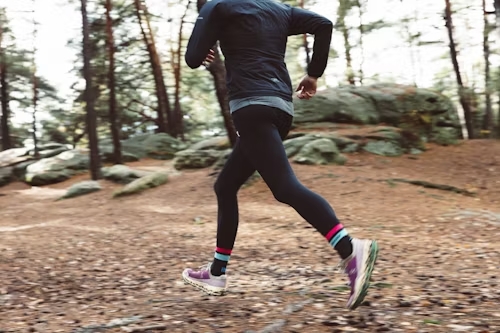
Trail running places unique demands on your feet. Uneven terrain, steep climbs, technical descents, and long distances all require balance, stability, and comfort. One often-overlooked factor that can dramatically improve your trail experience is wearing wide-toe box trail shoes.
Unlike traditional narrow running shoes, wide-toe box trail shoes allow your toes to spread naturally. This small design difference can lead to better stability, reduced foot pain, and improved performance, especially on rugged trails where foot control matters most.
What Are Wide-Toe Box Trail Shoes?
Wide-toe box trail shoes are designed with extra space in the front of the shoe, allowing the toes to splay instead of being compressed. Rather than tapering inward, the forefoot follows the natural shape of the foot.
This design supports natural biomechanics, improves balance, and reduces pressure points that commonly cause blisters, numbness, or toe injuries during trail runs.
Why Toe Splay Is Important on Trails
When running on uneven surfaces, your toes play a major role in stabilizing your body. They help grip the ground, adjust to side slopes, and absorb impact during descents. If your toes are squeezed together, this natural function is limited.
Wide-toe box trail shoes allow your toes to spread and engage fully with the ground. This improves balance, especially on rocky or technical terrain, and can make downhill running feel more controlled and confident.
Reduced Risk of Common Foot Problems
Many trail runners struggle with issues like black toenails, bunions, blisters, and hot spots. These problems are often caused by shoes that are too narrow in the forefoot.
A wider toe box reduces friction and pressure, allowing your feet to swell naturally during long runs without discomfort. This is particularly important for ultra-distance runners or those who spend several hours on the trail.
Better Comfort Over Long Distances
As mileage increases, foot swelling becomes inevitable. Wide-toe box trail shoes accommodate this swelling without cutting off circulation or causing numbness. Runners often report feeling fresher feet even late into long runs when switching to shoes with more forefoot room.
Comfort isn’t just about softness; it’s about allowing the foot to move naturally without restriction.
Improved Stability and Ground Feel
A wider forefoot often means a broader platform. This increased surface area can enhance stability on uneven terrain, helping you feel more planted on rocks, roots, and loose gravel.
Combined with proper traction, wide-toe box trail shoes can improve confidence, especially on technical descents where precise foot placement is critical.
Who Should Consider Wide Toe Box Trail Shoes?
Wide-toe box trail shoes are beneficial for many runners, not just those with wide feet. They are especially helpful if you experience toe numbness, frequent blisters, black toenails, or discomfort during long trail runs.
Runners transitioning to more natural foot movement, those tackling ultra distances, or anyone prioritizing comfort and foot health can benefit from this shoe style.
What to Look for Beyond the Toe Box
While toe space is important, it shouldn’t come at the cost of performance. Look for a secure midfoot and heel lockdown to prevent slipping, adequate protection such as rock plates or reinforced toe caps, and an outsole that matches your terrain needs.
The best wide-toe box trail shoes balance freedom in the forefoot with structure where it’s needed most.
Final Thoughts
Wide-toe box trail shoes offer a more natural, comfortable, and stable running experience, especially on challenging terrain. By allowing your toes to spread and function as they were designed to, these shoes support better balance, reduce injury risk, and enhance long-distance comfort.
If your current trail shoes leave your feet feeling cramped or sore, switching to a wide-toe box design could be the upgrade that transforms your runs. On the trail, freedom of movement isn’t a luxury; it’s an advantage.