
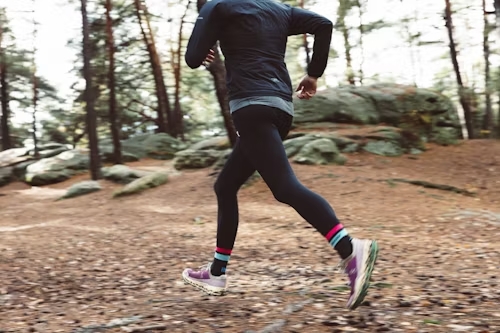
Running on the trail is meant to be enjoyable and not challenging. However, in runners with plantar fasciitis, each stride on an irregular surface may cause acute pain in the heel and discomfort that should last. The first step to pain-free running is selecting the appropriate footwear, and that is where trail running shoes to treat plantar fasciitis come in handy.
In this blog, we will consider how the right trail shoes can minimize the burden on the plantar fascia, the most significant part of the foot, and how to select a pair that can be used to maintain both comfort and performance on the trails.
Understanding Plantar Fasciitis on the Trails
Inflammation of the thick band of tissue that runs along the bottom of the foot results in plantar fasciitis. Symptoms are exacerbated by trail running due to uneven terrain, repeated foot adjustments, and downhill force.
Unless supported, the consequences that runners can experience include:
- Pain in the heel that is sharp, especially in the morning.
- Pain over the arch during long distances.
- The feet and calves grow very fatigued.
These problems are majorly alleviated by the right trail shoes, which stabilize the foot and provide better impact absorption.
Why Shoe Choice Matters More Off-Road
Trail terrain places unique demands on your feet. Rocks, roots, and slopes increase stress on the plantar fascia, making standard running shoes less effective. Trail running shoes for plantar fasciitis are designed to handle these challenges while protecting sensitive foot structures.
Key benefits include:
- Better shock absorption on descents
- Enhanced arch support for stability
- Secure fit to reduce excess foot movement
These elements work together to minimize strain and improve comfort over long distances.
Essential Features to Look For
When shopping for trail shoes with plantar fasciitis in mind, prioritize function over style. The most supportive options usually include:
- Firm Midsole Cushioning: Absorbs impact without feeling unstable
- Strong Arch Support: Helps distribute pressure evenly across the foot
- Heel Cushioning: Reduces stress during heel strikes
- Rocker Sole Design: Encourages smoother toe-off and less foot strain
- Secure Upper: Prevents foot slippage on technical terrain
These features help maintain proper foot alignment and reduce irritation during runs.
Finding the Right Fit for Long-Term Comfort
Fit plays a huge role in managing plantar fasciitis symptoms. Shoes that are too tight can increase tension, while loose shoes may lead to instability.
A few fitting tips:
- Choose a slightly roomier toe box to reduce pressure
- Test shoes later in the day when feet are naturally swollen
- Walk and jog in them before purchasing to assess arch comfort
The goal is a shoe that feels supportive without forcing your foot into an unnatural position.
Extra Tips to Reduce Plantar Fasciitis Pain While Trail Running
Even with the right shoes, smart habits matter:
- Stretch calves and arches regularly
- Avoid sudden increases in mileage or elevation
- Rotate shoes to prevent overuse stress
- Replace worn-out midsoles before they lose support
Combining these habits with supportive footwear can speed up recovery and prevent flare-ups.
Final Thoughts
Plantar fasciitis does not imply that one should stop running the trails. The right trail running shoes will allow you to prevent harm to your feet and, at the same time, have a good time in the technical terrain and in long outdoor runs.
Pay attention to cushioning, arch support and fit first. Whenever your feet and shoes get along with each other, instead of working against one another, all of your running sessions will be a lot more comfortable, more confident, and somewhat more enjoyable.