
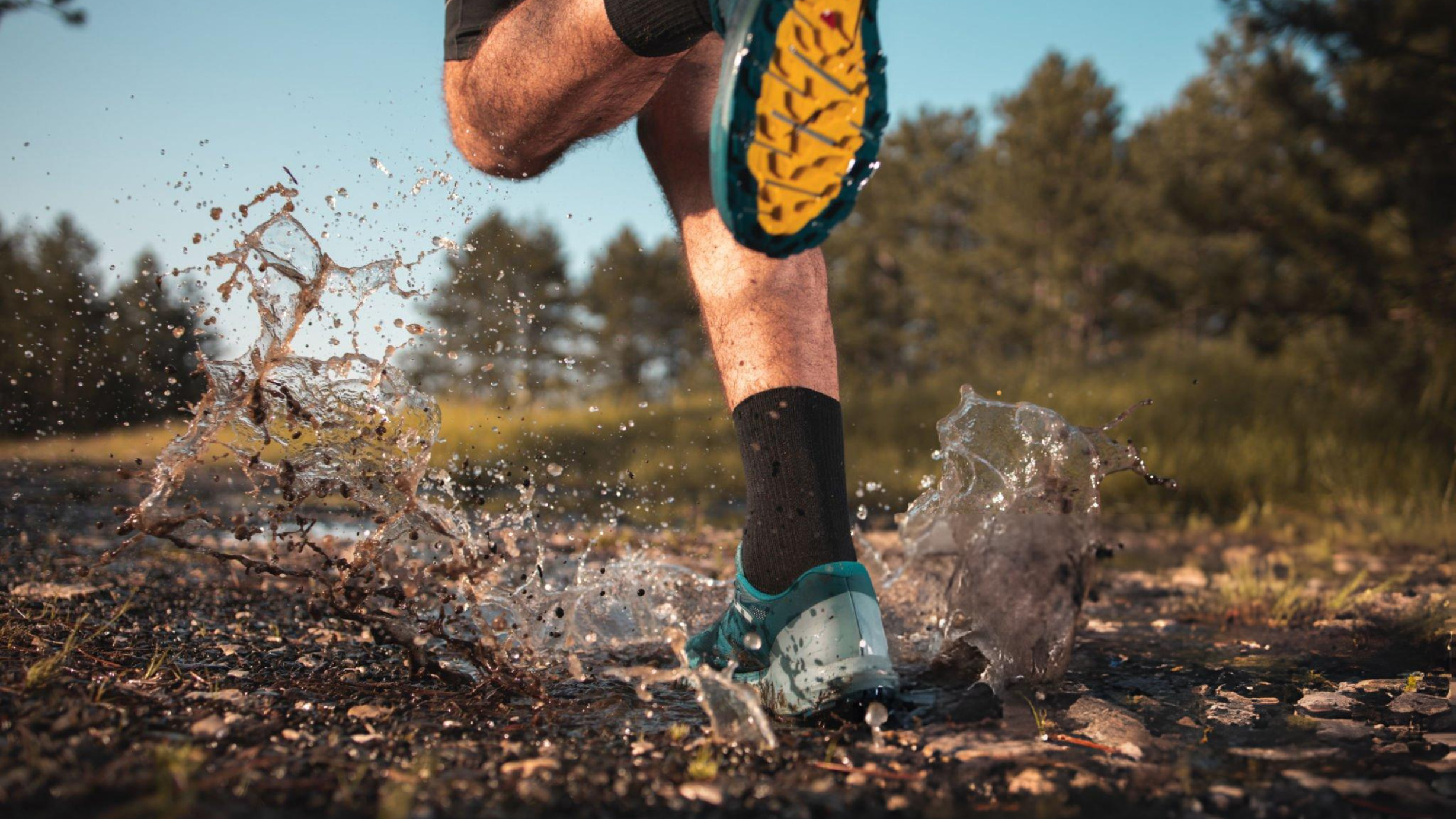
Trail running is not only about putting one foot in front of the other, it is also about being alive. The sound of the leaves falling, the wind blowing your face and the ragged path under your feet. And nothing makes that experience worse or better than the shoes of your feet.
Trail running shoes of light weight are revolutionaries. They free you, make you speed and comfortable in a trail so that you do not have to have your shoes dragging you.
Why Go Lightweight?
Trails are unpredictable. Rocks, mud, roots, even a sudden rain–they may upset you in no time. The weight of the shoes accentuates the difficulty of responding, wears you out, and drags you along. On the other hand, lightweight shoes allow you to move freely. They are as if part of your body and allow you the liberty to run faster, experience the ground beneath your feet and go further without being tired.
The benefits are simple:
Agility and speed: The lighter the weight the faster the steps.
Strength: Your legs do not tire that easily.
Natural feel: You feel all the bumps, all the turns, all the rocks.
Comfort: Lightweight in long distance.
What Makes a Good Lightweight Trail Shoe?
- Light but Strong
The most preferable light weight shoes are engineered mesh or synthetic. They are breathable, tough and they do not weigh you down. - Protect Your Feet
Light shoes should be under protection, too. Find a rock plate, a reinforced toe and good grip soles so that you are not caught out. - Cushioning That Works
Excess cushioning = squashy. Too little = ouch. The ideal light trail shoe is a medium weight shoe that balances the force of impact with energy-giving backlash to help you run effortlessly. - Support Where You Need It
A light pair of shoes should not be like a wobbly foot. Sturdy heel counter, arch support, and proper fit will eliminate twists and injury. - Quick-Drying & Breathable
Trails aren’t always dry. Faster drying and breathable shoes ensure that your feet stay comfortable so that whether you step through a stream or are caught in the shower, your feet are not wet or clammy.
Choosing the Right Pair
Know your trails: Fast, dry trails = ultra-light shoe. Technical rocky, = a little sturdier.
Test fit: Your feet must have some wiggle-room; your heels must not lift.
Test cushions: Run them a short distance and then commit them.
Grip issues: Multidirectional lugs or sticky rubber soles will ensure that you stand on safe ground whether it is on the mud or on the rocks.
Balance defense and weight: Too light = can cause injury, too heavy = you get tired. Find the sweet spot.
Why You’ll Love Them
Light trail shoes are not just any shoes, they are your trail mate. They let you:
Run faster and feel lighter.
Feel the path underneath your feet.
Go longer without tiring.
Be comfortable in every situation.
Avoid blisters and hotspots.
Final Thoughts
You just cannot be stuck by your shoes in case you want to savor trail running. Trail running shoes are lightweight and allow you to run more naturally, adjust to any challenge and stay concentrated on the adventure rather than on your feet.
The trail doesn’t wait for you. Run free, feel free and let your shoes carry you far over what you ever imagined you could do.