
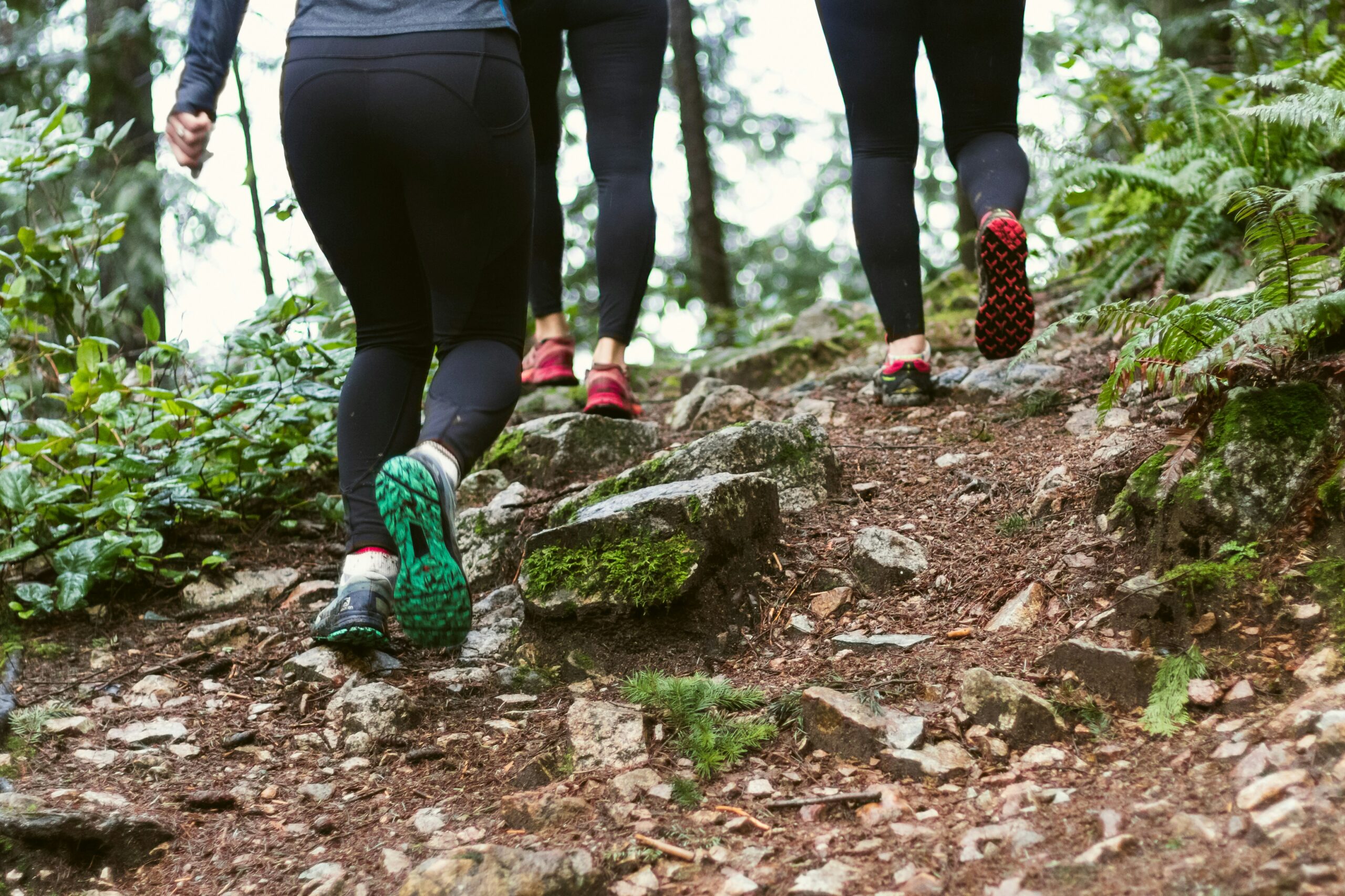
Regarding trail running shoes, the question that comes to the minds of most individuals is whether hiking shoes can also be used as trail running shoes and the other way around. The answer to this is yes, but with some conditions. Trial running shoes were designed to deal with an uneven surface, mud, roots and rocky trails and thus are surprisingly a good choice in some form of hiking.
Why Trail Running shoes are great in Hiking
1. Grip and Traction
Trail running shoes are made with uneven and slippery surfaces. The lug patterns assist you to remain stable on the dirt, gravel, and rocks that are wet and provide you with the traction that you require when the hike gets challenging.
2. Lightweight Comfort
Trail shoes are light unlike the heavy hiking boots. This makes it less tiring particularly during long hikes or steep ascents. Your legs are also free and you are able to move more without being burdened.
3. Flexibility and Movement
Trail shoes give the freedom to move the foot. The bending is useful in manoeuvring around the barriers or jumping over the roots and rocks, and making your walk easier.
4. Breathability
Most trail shoes are mesh-up topped, which means that the air can flow through them and your feet are cooler on a hike in warm weather. This lowers the amount of sweat accumulated as well as the risk of blisters.
Trail Running Shoes Not Necessary?
Trail shoes are all round, but limited:
1. Rough or Steep Terrain
A hiking boot may be a better choice in case your hike is through rocky trails that are steep as the ankle support offered by the hiking boot can be important. Trail shoes provide very little support, this may expose them to the risk of sprains at rougher terrain.
2. Heavy Backpacks
Multi day backpacking has full pack hikes, which are more stabilizing with hiking boots. Light packs are best with trail shoes, which can be overstretched by heavy loads.
3. Cold or Wet Conditions
The trail running shoes typically contain less insulation and waterproofing compared to hiking boots. During the winter season or when it is snowy, muddy or rains, you might find your feet getting cooler quicker.
Hiking with Running Shoes: Hiking Tips
- Wear stiff soled shoes with aggressive tread when walking on rocky trails.
- Crack them to prevent blisters or hotspots before a long hike.
- Gaiters are also a good idea in order to keep dirt, pebbles, or other debris out of the shoe.
- Bring along extra socks to work in case of wet weather.
Bottom Line
Trail running shoes can be used in light to moderate hiking. They are used to offer grip, flexibility and comfort in day hikes, trail loops and rough terrain. Even in the case of a slow hiker who has a heavy pack on technical trails, a hiking boot could still prove to be safer. Trail running shoes are the best choice of those hikers who appreciate speed, comfort and the ability to move freely.