
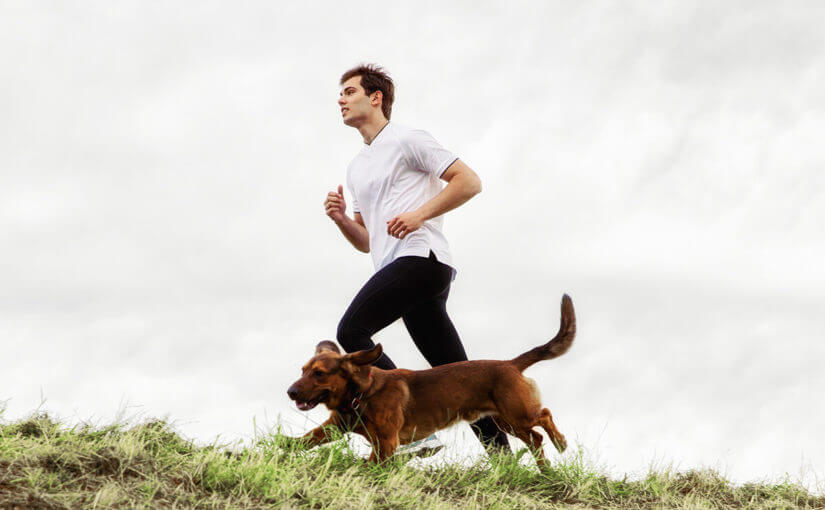
Trail running is one of the most interesting and enjoyable ways of becoming physically fit and spending good time in the wilderness, as well as a way to challenge stamina. When you add a good, loyal dog companion to the mix, then you will make the process even more fun. Running along with your dog is one of the best ways to bond with your pet as well as improve physical fitness, mental health and strengthen the bond between you and your pet. It has its own considerations though, which all runners need to consider before they go out there and hit the trails. In this guide, we will discuss the key safety tips, equipment, and safety measures to help your trail adventure with your dog a safe and enjoyable one.
Benefits of Trail Running with Your Dog
Running on trails with your dog has multiple advantages:
- Improved Fitness: Dogs are natural athletes. Trail running with a dog increases your cardiovascular endurance while keeping your dog physically active.
- Mental Health Boost: Spending time outdoors with a pet reduces stress, anxiety, and depression for both of you.
- Stronger Bond: Sharing adventures strengthens the connection between you and your dog.
- Better Socialization: Dogs get to know how to move around different environments which can be used to improve obedience and confidence.
Essential Gear for Trail Running with Your Dog
- Hands-Free Leash Systems
A hands-free leash is the best when running with a dog on a trail. It has a belt feature so you can wear it on your waist and keep your hands free to maintain balance, yet have your dog nearby. Find leashes with adjustable length, providing shock-absorbing properties so that jerks do not happen. - Trail-Friendly Harness
Never wear collars when running on the trail A padded, custom-fit harness helps to safeguard the neck and shoulders of your dog, as it allows running long distances to be safer and more comfortable. - Hydration Supplies
Hydration is critical. Bring water for both yourself and your dog. Portable dog water bottles or collapsible bowls are convenient, especially for long runs in remote areas. - Protective Paw Gear
The surfaces on the trails may be rough on paws. To avoid cuts, abrasions or burns on hot surfaces, consider dog booties or paw wax.
Training Tips for Trail Running with Your Dog
- Start Slowly
All dogs are not able to do long trail runs right away. Start with a small distance and in easy terrain and gradually increase the distance and the intensity to build up endurance. - Teach Key Commands
Commands such as “slow,” “stop,” “leave it,” and “wait” are essential for safety. Reliable obedience ensures your dog avoids dangerous situations, wildlife, or poisonous plants. - Monitor Health and Fatigue
Be aware of exhaustion, overheating or limping of your dog. Trail running is challenging, so take it easy on the pace and time.
Safety Tips for Trail Running with Your Dog
- Choose the Right Time
Do not run in hot or cold weather. The best time to run would be in the early morning or in the late evening during hot seasons and shorter runs during winter. - Stay Aware of Wildlife
Hold your dog near you so that it does not get into the path of a snake, coyote, or other animal that might harm your pet. - Keep Identification Updated
Always have a collar that has an ID tag and a microchip. Even well trained dogs may lose their way in unknown trails. - Plan for Emergencies
Take a small first aid kit of your own and of your dog with bandages, antiseptic and any medication your dog may need.
Final Thoughts
Nothing compares to being able to go trail running with your dog and spend time and share fitness and adventure. The appropriate training, preparation, and gears would help you and your dog to make the most out of trail runs. Start gradually, be aware of safety and have a special experience of discovery trails with other people. By running together, your bond will be enhanced and you both will have all the physical and psychological benefits of exercising outdoors.